
Proposed Reparations Fund for Urban Renewal Is Hazy Amid Roanoke Fiscal Mess, Council Members Warn
Multiple Roanoke council members said that strained finances could limit the city’s ability to follow an apology with concrete investments.

Roanoke City Council responded warmly last month to an Equity and Empowerment Advisory Board’s proposal for a formal apology — and potential reparations — for residents displaced by 20th-century urban renewal policies.
But as the city’s fiscal outlook tightens, several council members are raising concerns that financial constraints and legal limits could stall a reparations program before it begins.
In interviews with The Roanoke Rambler last week, multiple council members said that strained finances could limit the city’s ability to follow an apology with concrete investments, even as they expressed support for acknowledging the harm caused by the past policies.
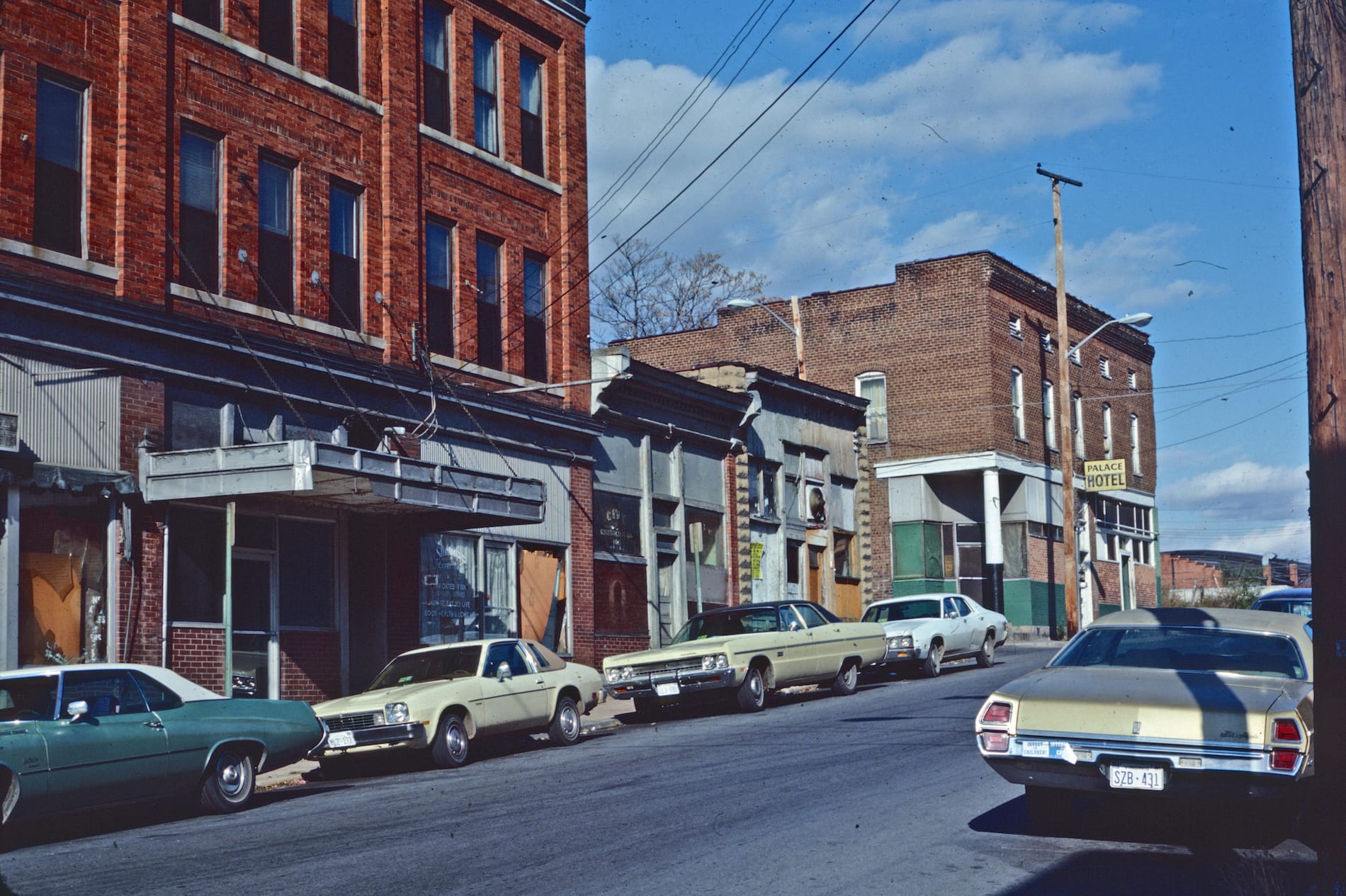
The proposed apology would have the city take accountability for policies that demolished homes, businesses, churches and schools in Roanoke’s majority-Black neighborhoods between the 1950s and 1970s. It’s been in development by the city’s equity board for two years.
Consultants warned in November that budget deficits could become routine without structural changes, citing underfunded pensions and benefits, employee turnover driving high public safety overtime costs and mounting infrastructure needs — including $4 million in elevators alone.
Before the city implements any reparations program, Vice Mayor Terry McGuire said he’d like to feel more confident about the state of day-to-day operations. He said he worries that the city doesn’t have its “ducks in a row” when it comes to adequately funding core services like youth athletics and after-school programs.
McGuire said he has not yet decided how he would vote on the proposed apology.
“I just don’t want to vote for something that’s more words without action,” he said.
Of a potential reparations fund, McGuire said, “I just don’t know that I have a lot of confidence that we’re going to run that well. My fear is that we would do a bad job with it and not execute it well and then that could just further hurt our attempt at trying to rebuild trust with Roanoke’s Black community.”
With a projected budget deficit looming, he added, “I don’t know where the money is going to come from.”
Councilman Peter Volosin said that given the city’s “tight fiscal situation,” he does not expect “any type of financial reparations” to be included in this year’s budget. Still, he suggested that the city could “fast track” smaller investments, such as mental health resources, that would align with the advisory board’s recommendations.
Those suggestions include an additional tax on Berglund Center events tickets to generate revenue for a reparations fund, redeveloping the former business district of Henry Street, restoring the Washington Park cottage and installing signage at the sites of former homes, schools and churches.
Councilman Nick Hagen, whose family’s Henry Street grocery store was destroyed during urban renewal, said he remains optimistic about the apology, even if financial constraints might slow its timeline.
“I'm hopeful that we’ll be able to prioritize certain things to try and rectify this massive issue in our history,” Hagen said. “But I don’t know how quickly that will come about.”
Mayor Joe Cobb said a vote on the apology and reparations has not yet been scheduled and that a review process is underway involving council members, the city manager, the city attorney and the Equity and Empowerment Advisory Board.
As a city governed by the Dillon Rule, which restricts cities from exercising power not explicitly granted by the state, Cobb said Roanoke must carefully assess what actions are legally permissible when considering reparations.
There is some flexibility. While localities don’t have the power to grant reparations payments directly to individuals, Deputy City Attorney David Collins said cities can choose to invest public funds into areas that were disproportionately impacted by the past policies.
Equity board Chair Angela Penn, responding to emailed questions about the city’s financial strain and the timeline for a reparations program, wrote that accepting the apology and action items should be the city’s first step, and that the particulars of policy can be worked out down the line.
“The initial and most important step is for the city council to adopt the Statement of Harm and accept the community action items,” Penn wrote. “From there, further discussion and planning around funding and implementation can move forward.”
Councilman Phazhon Nash, who worked on the apology draft while serving on the EEAB, said community members are wary of symbolic gestures without follow-through.“We don’t just want, ‘I’m sorry,’” Nash said. “We want to see the meat and potatoes.”
While Nash shares his colleagues’ concerns about funding, he said he believes progress is possible if the city moves deliberately through the budget process.
Nash’s philosophy: “Where there’s a will, there’s a way, and I think we can find that way.”