
Roanoke's Main Street Initiative Aims to Rebuild 11th Street — and Community Trust
For residents and business owners who have endured years of disinvestment, the program could change the street’s trajectory.
Along Northwest Roanoke’s 11th Street, boarded-up windows and faded storefront signs tell the story of a corridor hollowed out by neglect.
Over the three-block stretch, empty buildings outnumber the few that remain open — a symptom, residents say, of the city’s long history of overlooking the street.
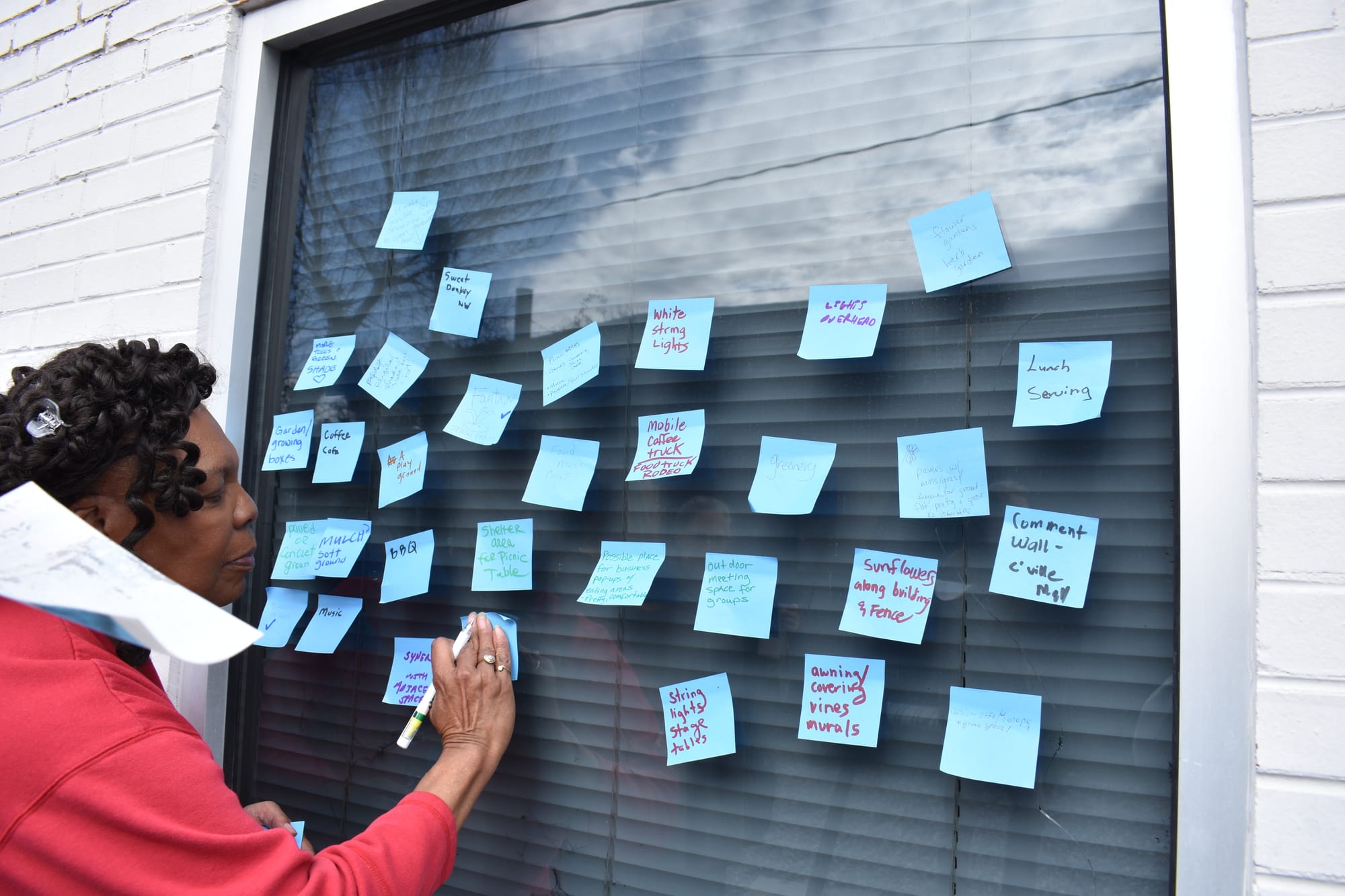
But on a recent Saturday in February, a small group took to 11th Street to reimagine its future. On a walk guided by the Main Street Initiative, participants paused at each empty storefront, leaving blue sticky notes with ideas for what could fill them: shops, restaurants, housing, event venues and green spaces.
Since launching last summer, the Main Street Initiative has been working to turn those ideas into permanent change. The revitalization effort, part of the statewide Main Street Virginia program, is taking early steps to transform 11th Street into a thriving hub of community life and economic activity. With its historical buildings and walkable quality, Main Street envisions 11th Street becoming a vibrant neighborhood center like Grandin Village or Crystal Spring.
Started by city staff, one of the program’s early goals is to establish a locally led nonprofit to guide investment. By giving community members ownership over the street’s future, organizers say the effort aims to avoid a familiar pattern in Northwest, where outside development often fails to take root.
For residents and business owners who have endured years of disinvestment, the program could be a rare opportunity to change the street’s trajectory. For the city, it’s a chance to rebuild trust through long-awaited investment with tangible results.
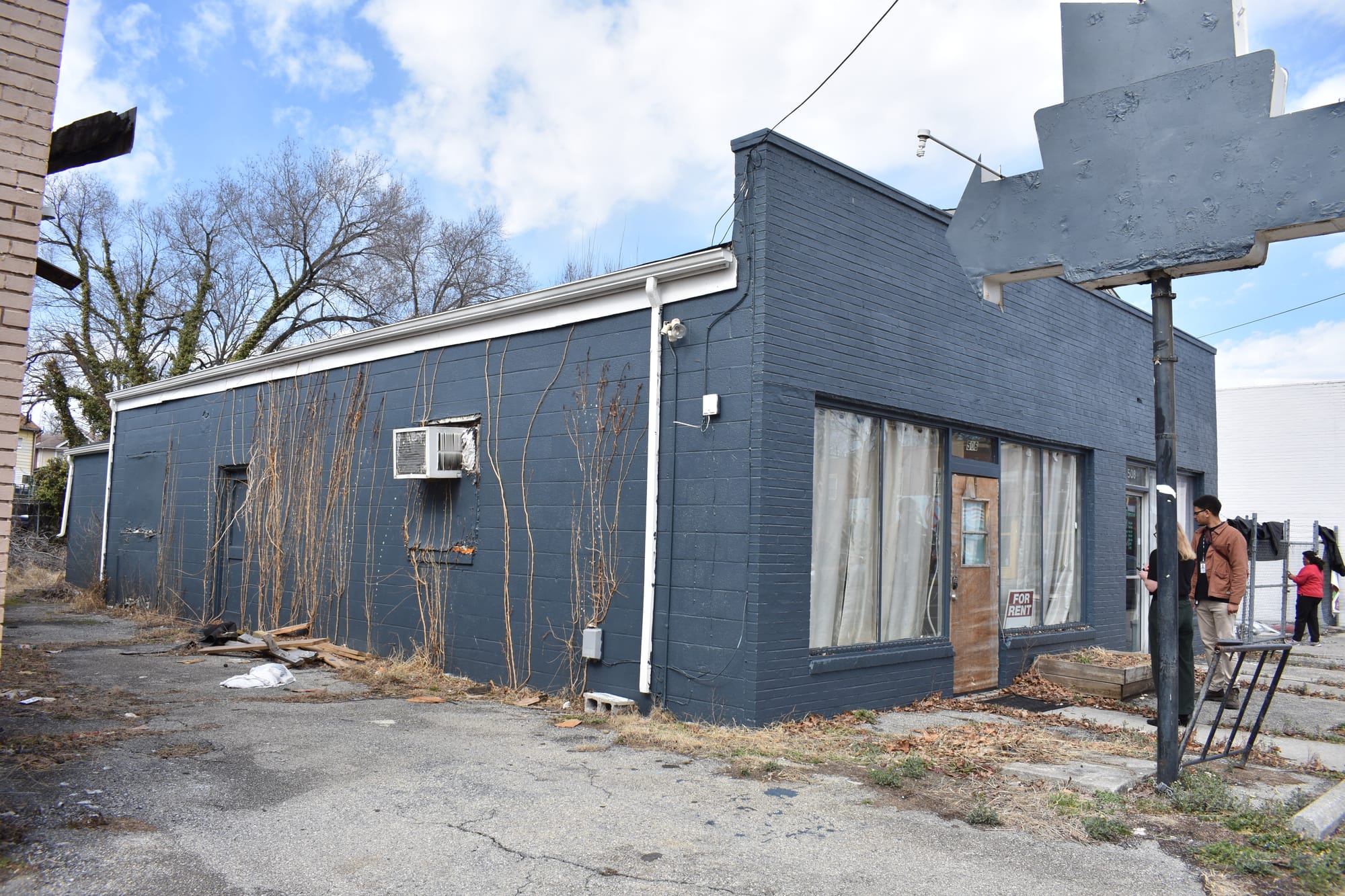
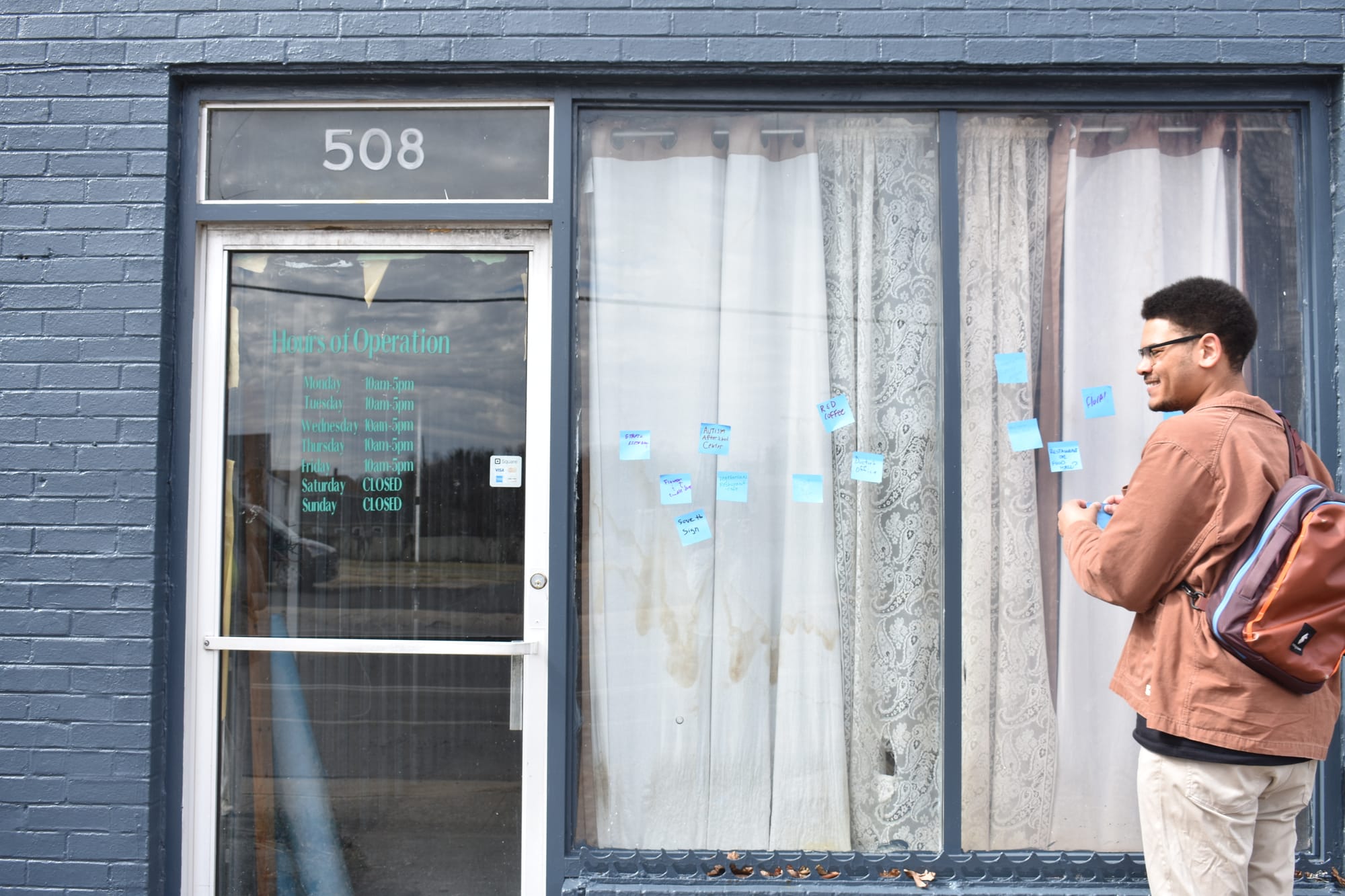
Vacant buildings on 11th Street outnumber open ones. Main Street organizers see these empty storefronts as an opportunity to eventually welcome new businesses to the corridor. PHOTOS BY SINCLAIR HOLIAN FOR THE ROANOKE RAMBLER
At the end of Main Street’s walk, Xavier Duckett, a young entrepreneur who runs a nonprofit on 11th, urged participants to join the growing stakeholder group.
“There are a lot of people here that have been waiting for this stuff,” Duckett, 35, said. “I don’t want to get to 70 and still be waiting for movement to take place when we have the ball in our court right now.”
Enthusiasm hasn’t been universal. A history of destructive development has left many Northwest residents wary of city-led projects. In the mid-20th century, Roanoke’s urban renewal projects destroyed more than 1,600 Black homes, schools and businesses in Northeast, forcing the community to move to Northwest neighborhoods like the ones surrounding 11th Street.
That legacy still colors how residents respond to the words “development” or “revitalization,” said Molly Hunter, Roanoke’s neighborhood services coordinator. She said she hears that mistrust resurface when speaking with residents about Main Street.
“They’ve told me, ‘This sounds great. But I don’t really trust the city, so I’m gonna hang back and see what happens. And if it’s successful, then maybe I’ll get involved,’” Hunter said.
Bishop Dwight Green oversees the Holiness Tabernacle Church, a massive building that’s been vacant for about a decade. He’s attended most Main Street meetings and supports the initiative, he said, but many other property owners remain cautious.
“They don’t want to get excited about something, and then it doesn’t come into fruition,” he said.
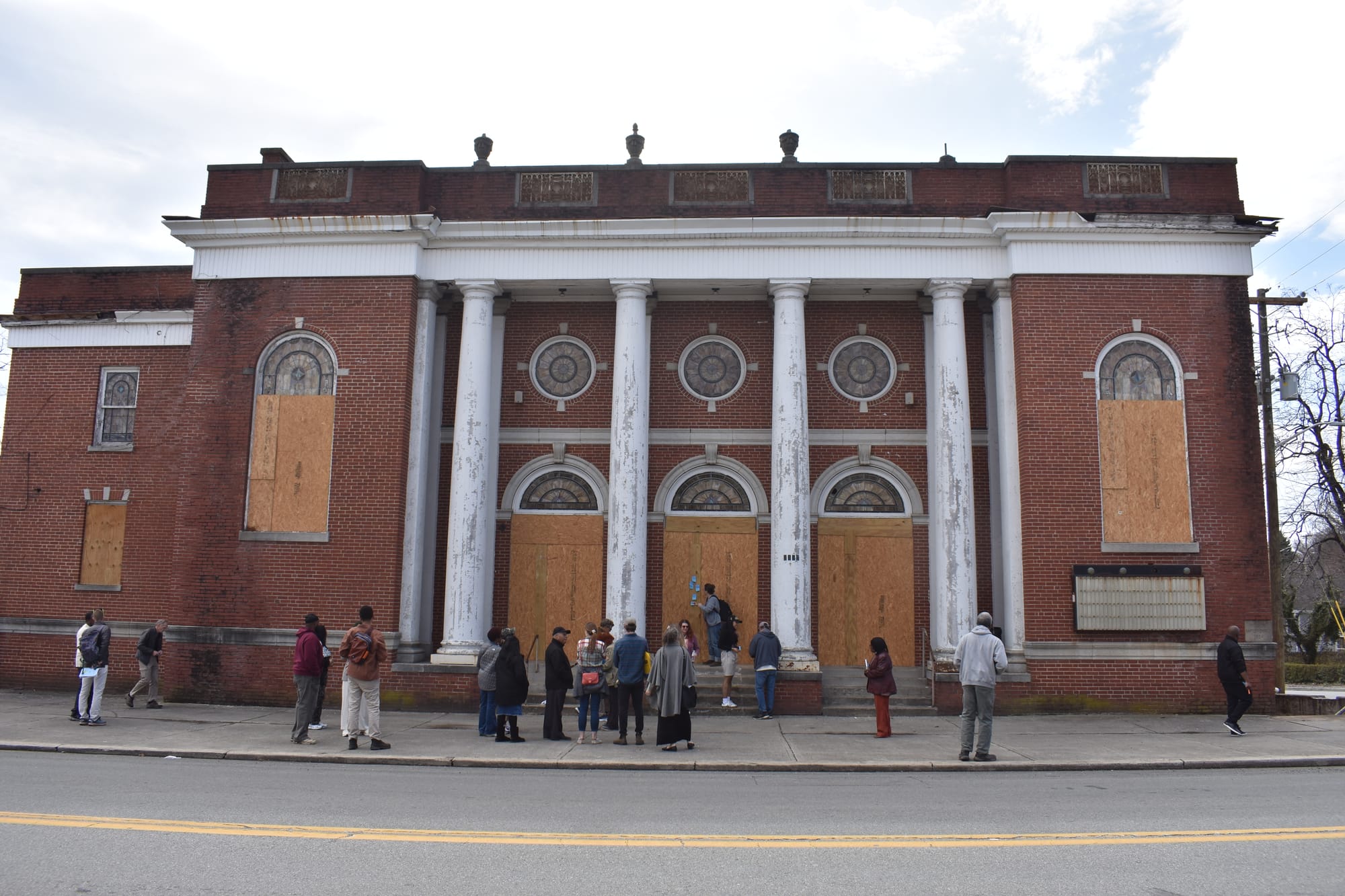
The church closed years ago after a leaky roof and flooded basement led to black mold too costly for the congregation to manage. With Main Street’s investment, Green envisions transforming the historical building into more than 50 units of housing.
“One of the key elements of a Christian life is to be willing to forgive,” he said. “I’m hoping those involved in the Main Street project are here to do all the positive improvements, and where trust is needed, we can give trust and move forward.”
For residents like Darlene Lewis, who operates the community resource nonprofit The Hope Center, the initiative’s early projects could determine whether old skepticism fades. Lewis has long imagined transforming the gravel alley beside her building into a charming courtyard with seating, greenery and lighting for neighbors to enjoy.
After Lewis shared the idea in an early Main Street meeting, city economic development specialist Mandy Cribb sent her a rendering showing the courtyard fully realized. The mock-up — and the realization that Cribb shared her vision — took Lewis’s breath away.
“It probably was the best day ever,” she recalled. “I felt like a kid.”
Seeing the initiative embrace her idea softened Lewis’s initial doubts.
“This new group is listening,” she said. “This is not about the city or what they did and what they didn’t do in the past. This is about the community — about our needs and bringing some change that gives us hope.”
Despite hesitation from some, the effort has gained traction in recent months. Last June, Main Street America awarded the initiative a $70,000 “Unlocking Capital” grant to kickstart the project. Since then, city staff have helped organize weekly meetings where business owners, residents and property owners discuss their ideas for the street.
The ultimate goal is to create an independent nonprofit of local stakeholders that could eventually receive grants directly and set its own priorities for development. Over the months, a core group has formed, including Duckett, Lewis and Green, among other property owners and Northwest residents.
Duckett has taken on a leadership role, hosting meetings in The Collective, his 11th Street coworking space that’s become a hub for community events and youth outreach. Duckett, who advocates for Black entrepreneurship in Roanoke, urges the group to embrace Main Street’s wave of funding opportunities.
“Whether it’s two people at the meeting or whether it’s 15, these grants are coming down the pipeline, and they’re asking us, ‘What do we want?’” Duckett said during the February meeting. “And so a lot of the ideas that we’ve had for 10 years — we’ve got to move on them.”
Last week, Cribb submitted an application for up to $120,000 in additional funding from Main Street America. That funding would support initial projects, including restoring a building facade and creating Lewis’s courtyard.
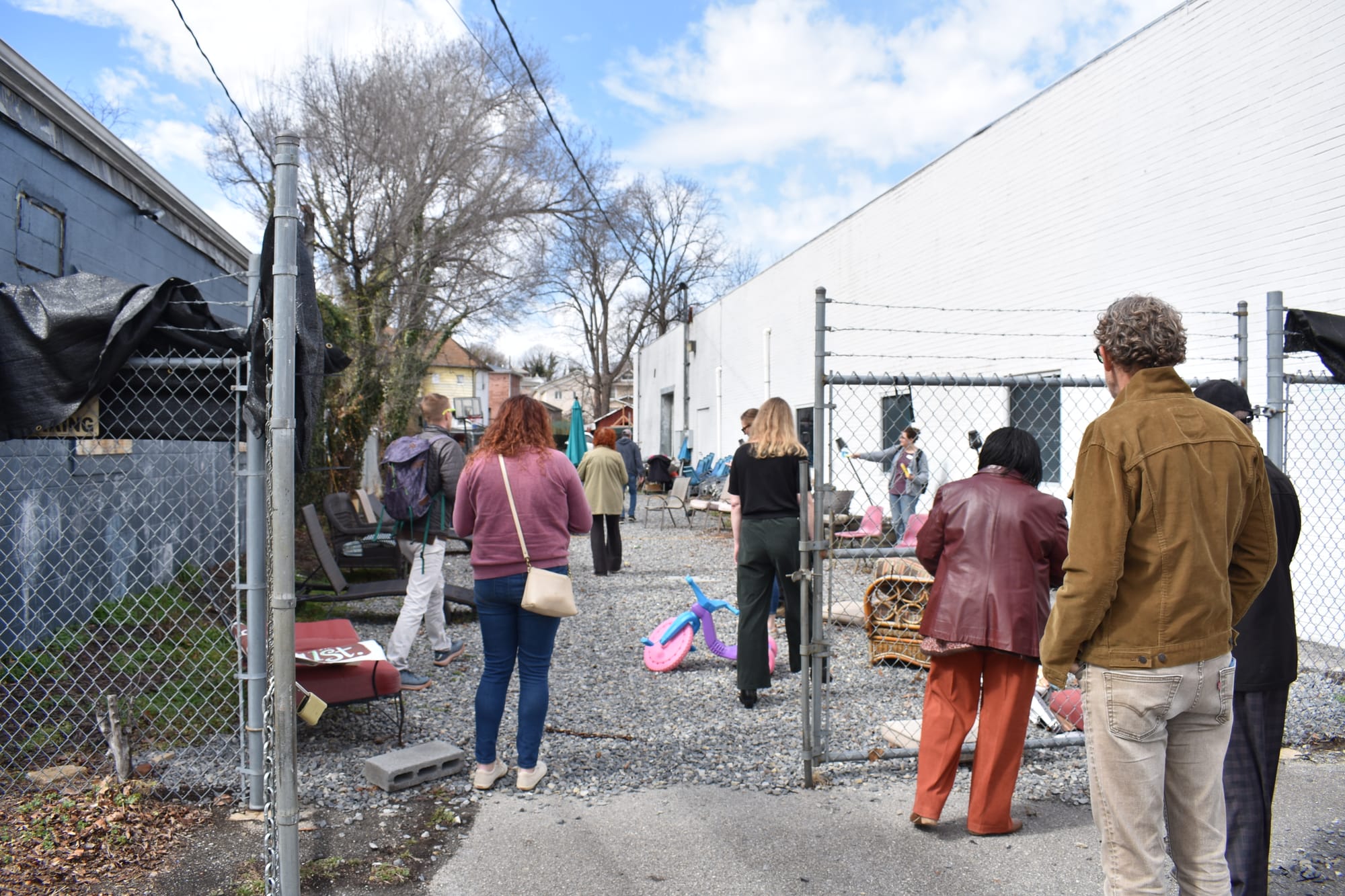
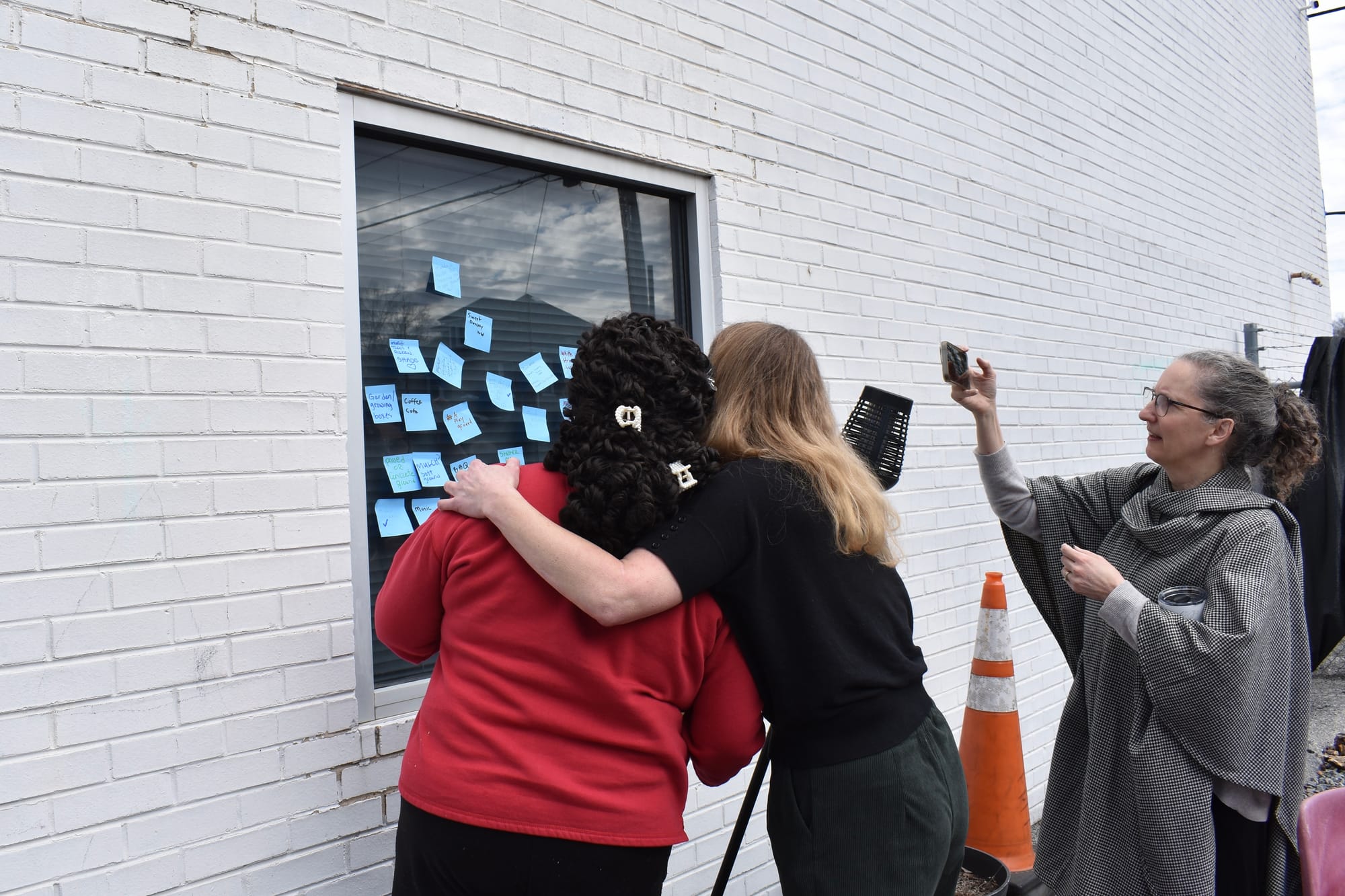
The Main Street Initiative plans to execute Darlene Lewis's long-held dream of a community courtyard. "It made me so excited that that they could see what I was seeing," Lewis said. PHOTO BY SINCLAIR HOLIAN FOR THE ROANOKE RAMBLER
For organizers, those visible improvements are crucial. With many residents still watching from the sidelines, the success of early investments could shape whether the community begins to trust the initiative.
“Let’s put together at least one finished project, and then we can start showing the neighborhoods: Main Street did this,” Lewis said. “Then maybe they’ll show up at the next meeting.”