
Puff, Puff has Passed in the Budget: Moving from Criminalization to Commercialization with Nick Hagen

Roanoke City Councilman and cannabis attorney Nick Hagen is questioning how Virginia’s newly approved recreational marijuana framework, which launches in 2027 with a 350-license cap and a 6% starting tax rate, will impact the city.
Roanoke, VA
Author: Roanoke Rambler Staff, Lead Hart Fowler
Published: 8:00 AM EST June 24, 2026
Edited: 8:00 AM EST June 24, 2026
In a video interview with The Roanoke Rambler, Hagen warned that the uniform statewide rollout and low tax yields from the Spanberger compromise, which limits the local tax chunk to just 1.5% to 3% on top of state fees, could limit Roanoke’s economic potential. He also touched on the corporate forces shaping the industry, noting that tobacco giants are well-primed to profit and have the deep pockets to do so, while pharmaceutical companies protecting addictive opioid markets still have a clear financial incentive to sabotage and slow down the growth of the newly legal retail market.

Meanwhile, questions remain over whether the Virginia Alcoholic Beverage Control Authority (ABC) and newly formed Cannabis Control Authority (CCA) will use strict rules and tight serving limits to similarly suppress the market growth of trendy, non-alcoholic THC-infused drinks. Watch the full interview at https://www.youtube.com/@RoanokeRambler/videos

"Given our demographics, our politics, and everything, I could see Roanoke being a center hub because of the areas around us that have good agriculture. We have the interstate and the railroad where we could distribute to the rest of Virginia." — Councilman Nick Hagen
After speaking about the Berglund Center, a potential casino, and residential zoning, this interview recorded on June 17, 2026, shifted to the breaking news about the governor adding retail cannabis into the state budget bill, with Hagen grounding his perspective in his legal background:
Hagen: I'm a cannabis attorney, so I do cannabis law and am very much pro recreational sales. But one of the issues that we will see—and again, as of the time of filming, the budget still isn't done. Just yesterday, Governor Spanberger announced that there was a deal, so this might be changed by the time that this goes out and I apologize to your audience. Governor Spanberger just announced a deal to allow for 350 licenses that would come into effect in July 2027.
One of the concerns that I have is that they're going to prioritize the border areas. One of the issues with that is that it doesn't address a lot of the things that they were talking about trying to address, like the impact that the war on drugs has had on marginalized communities, the fact that we want new entrepreneurs and new businesses here in the city, and the fact that they're only taxing—sorry, I am on my high horse. Regarding the relatively low tax agreement in Governor Spanberger's press announcement, they haven't released everything yet, it's just that they had this announcement and went through what they are doing. I don't know what the final language is going to be like yet, but they had it as 1.5% to 3% for localities on top of an 8% or 9% state tax.
That is very low when it comes to cannabis recreational sales across the country. And it's very low for Roanoke. As far as I can tell, and again this might be up in the air, I'm a lawyer so I tend to.
Hagen: But one of the things that I have a concern about is that while this may sound good, it may not always help Roanoke specifically. Because they're evenly applying it across the entire state, if we had an opt-in system for localities, I could see this very much helping Roanoke. Given our demographics, our politics, and everything, I could see Roanoke being a center hub because of the areas around us that have good agriculture. We have the interstate and the railroad where we could distribute to the rest of Virginia. As it is now, I don't think that it is the wisest move to evenly apply that throughout the state.
Fowler: Let's just continue with that for a minute. But I've been following it closely since the Youngkin veto and now Governor Spanberger's actions.
Hagen: I don't mean to be partisan, but I'm just pointing out recently, surprisingly so, it's good to pull back and remember how far we've come. Now it's here in Virginia.
Fowler: You can understand California, Colorado, and Oregon a little bit, but it's here and being discussed in a serious fashion. If you could choose, what would be the best retail scenario, or what would you do differently from your experience with the retail aspects, maybe specifically focused to how it would work best in Roanoke?
Hagen: True. You have about five hours?
Fowler: I know it is time.
Hagen: No, I know.
Fower: We don't have to hit all the points, but just so you know, there's a lot of people that aren't aware.
Hagen: As I mentioned, the opt-in system would be beneficial for Roanoke. I think that not putting a cap on the licensing numbers would also probably work out better, and that's more of a legal concern that I have which would take way too long for me to explain. I think making sure that there are consistent, robust checks on what you're buying and also making sure that kids don't get a hold of it is vital.
I've spent some time out in other states that have legalized recreational use. The best model I've seen was pretty early on in Washington state, where they checked your ID before you went in, checked it again before you made a purchase or when you went in with somebody else, and then a third check when you finalized the purchase. Having three checks ensures people are old enough to buy.
I would also make sure that there is a state bank set up by the Commonwealth. One of the realities is that the FDIC is very ordinary and strict about cannabis. I know one of my colleagues who is a lawyer attended a cannabis-focused conference, and the bank shut down his account just for purchasing a ticket to the conference, not for anything dealing with the plant itself.
Fowler: This was after rescheduling?
Hagen: It wasn't after federal rescheduling, it was after legal sales began for Colorado, so it has been a while.
Fowler: Nonetheless, rescheduling has obviously changed things a little bit.
Hagen: It's still very new and we're still working through a lot of that. On the state level, the largest things I would want to address is the licensing, the banking, and the opt-in system. On the federal level, there is a portion of the IRS tax code called 280E. Basically, it states that if you have an illegal business, you don't get standard deductions. While that sounds very boring—
Fowler: No, I get it. You can't write off your expenses like any other business does, which is key for the business model.
Hagen: Exactly. I have this theory that the more states that end up legalizing recreational sales, the less likely the federal government is to change it. Somewhere there is an accountant who has done the math and realized that these cannabis companies that touch the plant pay 70 cents on the dollar in taxes to the federal government versus effectively 30 cents on the dollar for pretty much anything else. I know it sounds like a niche issue and it is well beyond the scope of Roanoke City, but it is something we need to come to terms with as we go towards a legal market.
Fowler: In a fantasy world in the future… I've become a recent fan of the cannabis-infused drinks. With people drinking less, especially younger people, how might that change the culture? I was imagining the day where you can have a cannabis drink at a bar.
Hagen: Here is the crazy thing: Colorado, which obviously has the longest period of time for recreational adult-use sales over 21, has seen teenage usage drop for cannabis over that same period of time.
Hagen: The hypothesis—and it's really hard to test this—is that kids look at it and see that their mom likes Chardonnay and likes to imbibe with cannabis. It is possible that it's not seen as cool anymore because it's no longer forbidden. But to your point, there is probably going to be a massive market for both the alcohol industry and certain other companies to get in on the cannabis game.
Fowler: Speaking of being in the game, as a cannabis attorney, is it a conspiracy to think that the pharmaceutical companies or the tobacco industry is backing all this negative press and slowing it down until they can get it figured out? Are they waiting until they can sell a box of joints like they sell Marlboro Reds?
Hagen: There is already a Marlboro Green, you've seen that.
Fowler: I happily quit smoking cigarettes four years ago.
Hagen: Companies like Reynolds are multi-billion-dollar entities. They are not dumb; they probably already have the market research to address some of this. I think it's a little bit conspiratorial with some of it, but when we talk about tobacco in particular, they stand to make money, so I think that they would be well-primed for some of this stuff.
,_December_8,_1966_(49107587042).jpg?ref=roanokerambler.com)
What I don't think is necessarily conspiratorial involves certain opioids. One of the things that we typically see, and the data suggests this, is that as you see increasing cannabis usage, you see decreased use of opioids. When you have a company that produces something addictive, they are competing with something which—while cannabis use disorder is a real thing psychologically, it is not necessarily physiological.
There are studies which suggest a reduction in opioids when it comes to cannabis in particular. Again, it requires more research like anything else. Because of our prohibition on it for the last century, we have seen a major reduction in cannabis and cannabinoid research. A good example is tetrahydrocannabinol, or THC. Most people recognize that as the active ingredient in cannabis, but it was only discovered late last century.
Fowler: In the medical timeline, that is very recent.
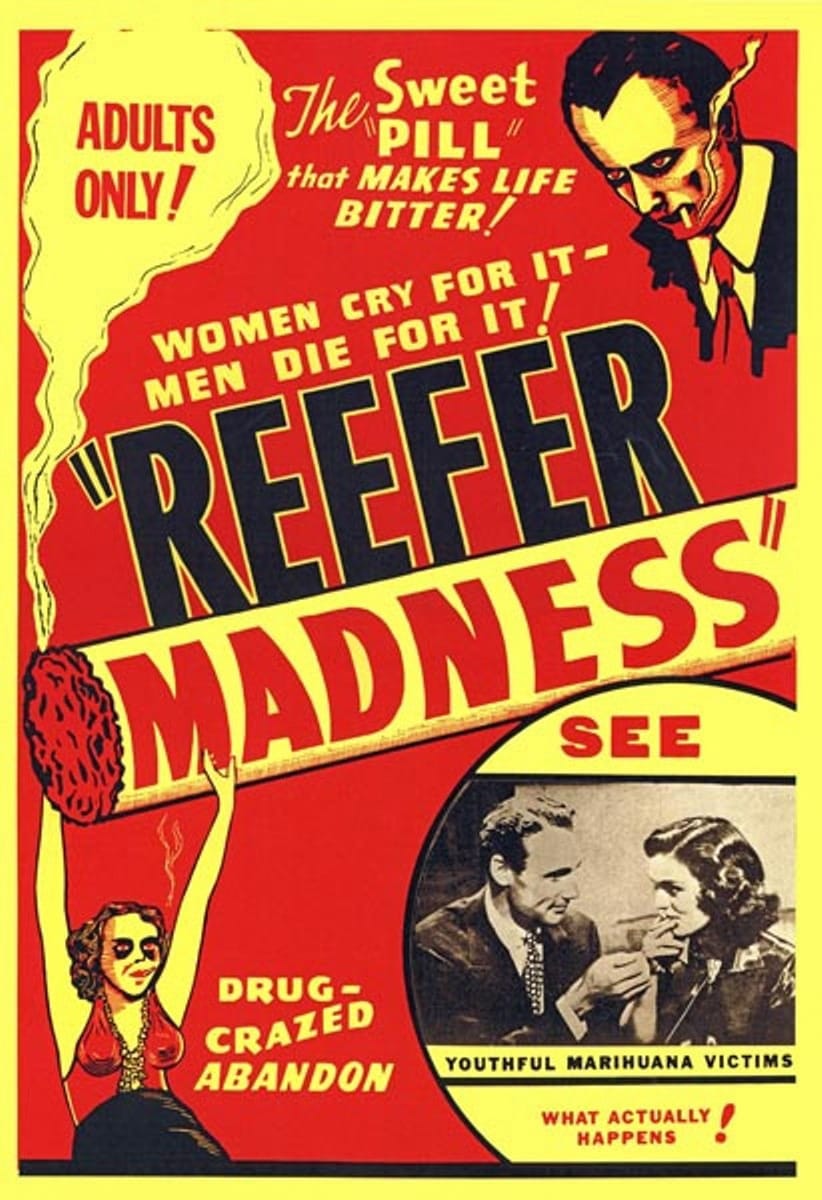
Hagen: When cannabis was originally made illegal, people would testify before Congress that there was some chemical in it that makes it super addictive. That type of thing wouldn't have been known at the time because we didn't know exactly what was in it; we didn't have the technology to understand it.
Fowler: The great smear campaign on THC
Hagen: Anslinger, man.
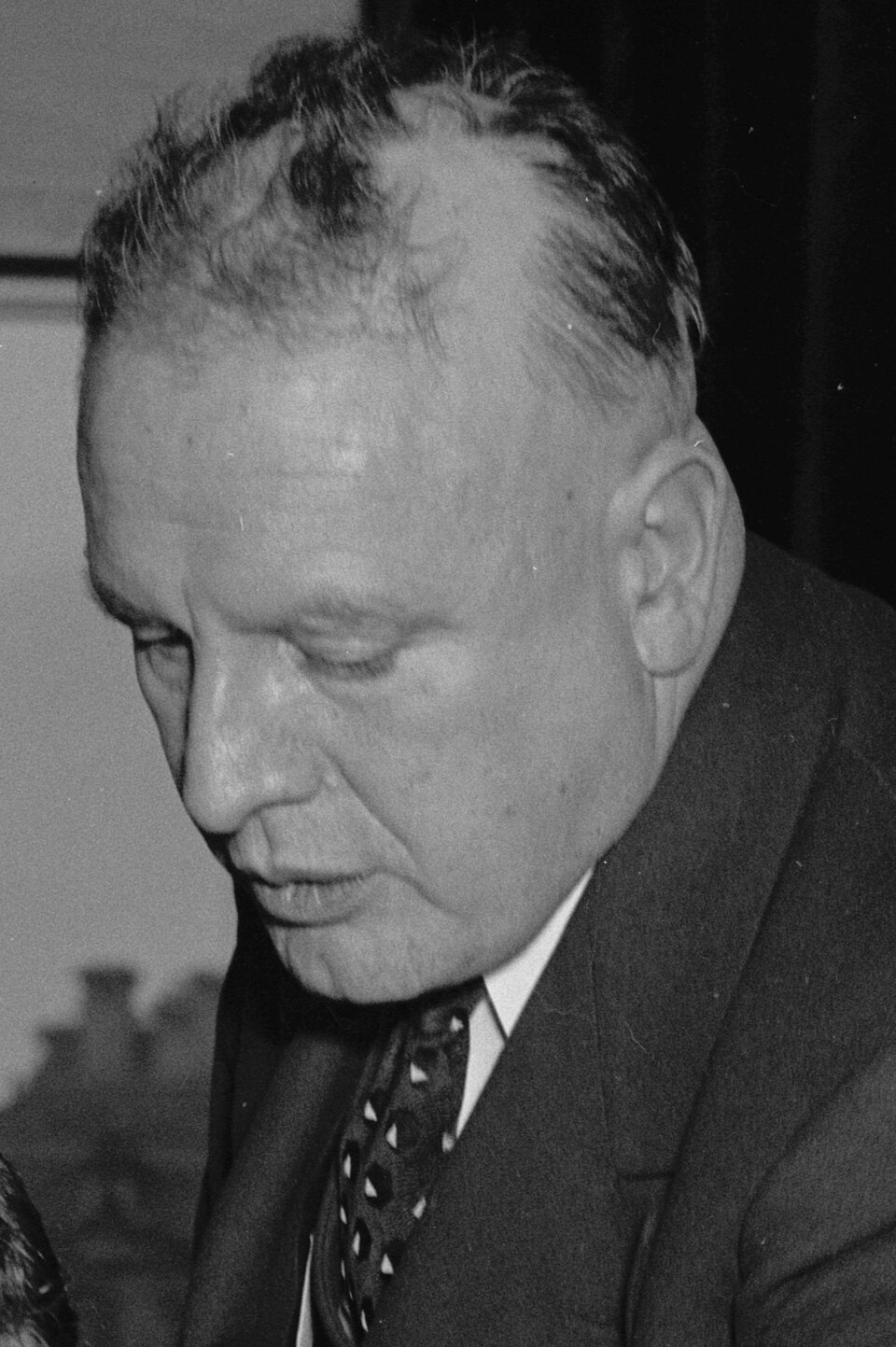
Anslinger famously claimed that "Satanic music" (jazz) resulted from marijuana use and stated the drug caused white women to "seek sexual relations with Negroes".
Fowler: Dark. William Randolph Hearst.
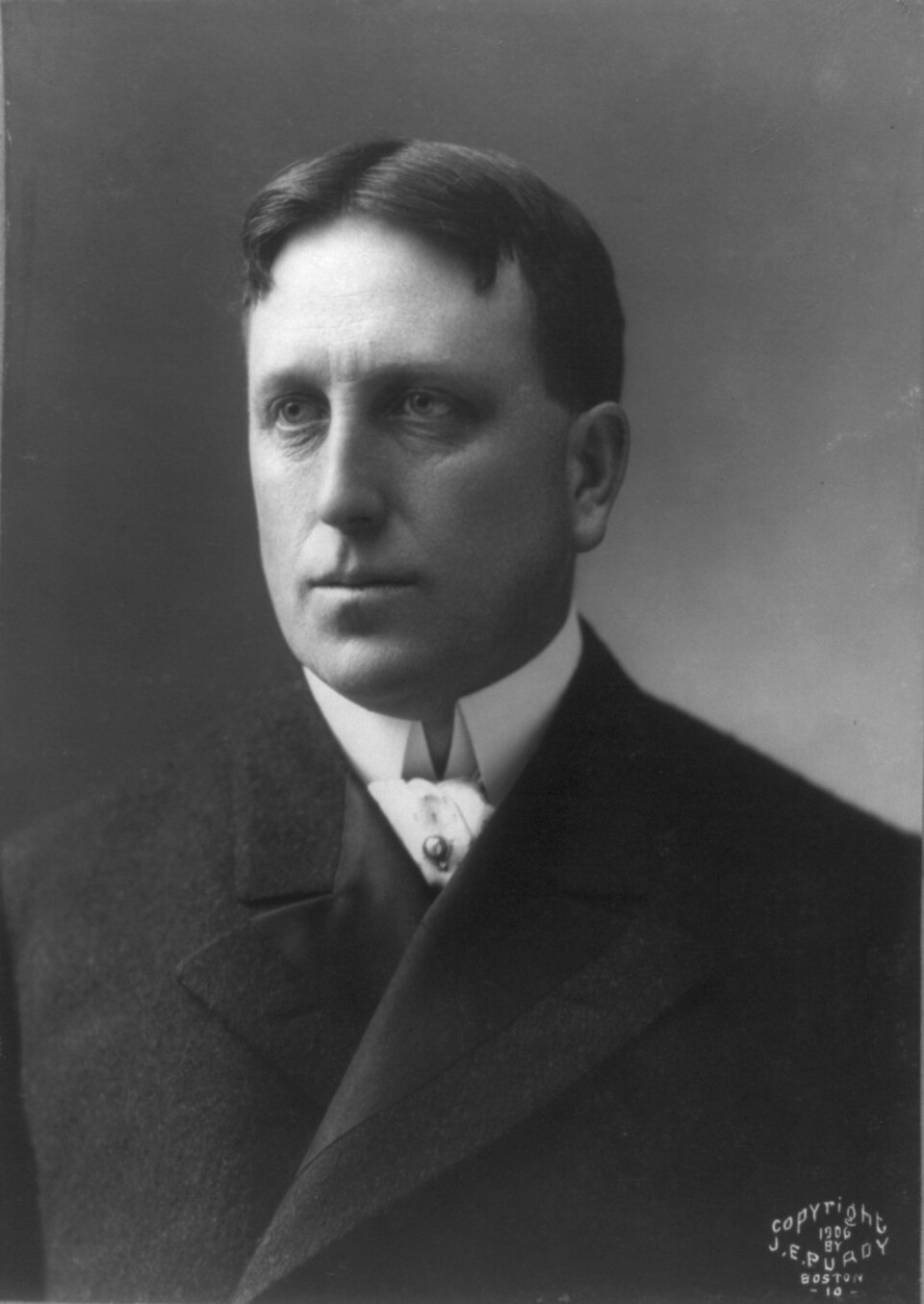
Hagen: See, I've heard that theory with him wanting hemp because a hemp piece of paper will last longer than a tree piece of paper.
Fowler: Right. So, you definitely had some forces working against it that didn't have the best interests of the people at hand.
Hagen: I could talk forever about this stuff, but the reality is that this is a legitimate business. Roanoke is poised to potentially be pretty well off in it. It's just a matter of if the Commonwealth gets it right on the state level.
Watch the full interview at https://www.youtube.com/@RoanokeRambler/videos