
An Ounce of Creative Prevention is Worth a Pound in Police Enforcement
As a victory for local activism changes the city’s safety conversation, grassroots public murals demonstrate how altering Roanoke’s physical surroundings can organically help in securing our streets.
As a victory for local activism changes the city’s safety conversation, grassroots public murals demonstrate how altering Roanoke’s physical surroundings can organically help in securing our streets.
Roanoke, VA
Author: Roanoke Rambler Staff, Hart Fowler Lead
Published: 9:30 AM EST September 2, 2026
Edited: 9:47 AM EST September 2, 2026
The recent local activist victory grounding Flock surveillance cameras within the city marks a significant moment for collective privacy in Roanoke. But as the fear of this digital tracking as a tool for crime prevention recedes, as does the current trend for crime in general, an uncomfortable question lingers: what are we actually building in place of what has been removed? High-tech lenses can log the aftermath of a crime, but they cannot replace the preventative authority of an active, human street presence. To truly secure our blocks, we shift our focus from automated surveillance toward intentional streetside community building.
We trace three murals completed this summer miles apart in the southern districts, and some of the recent work over the past few years in the Northwest District.
Editor’s Note: Due to time and space constraints, this piece focuses strictly on just a few of the many murals of the city, with dozens of exceptional public works left out in the heyday of a recent Roanoke mural boom. We encourage you to look up the outdoor works of Jon Murrill and Emily Herr, alongside the sprawling public art projects currently reshaping Downtown, Grandin Village, and Riverdale.
In the jungle, the lion sleeps tonight
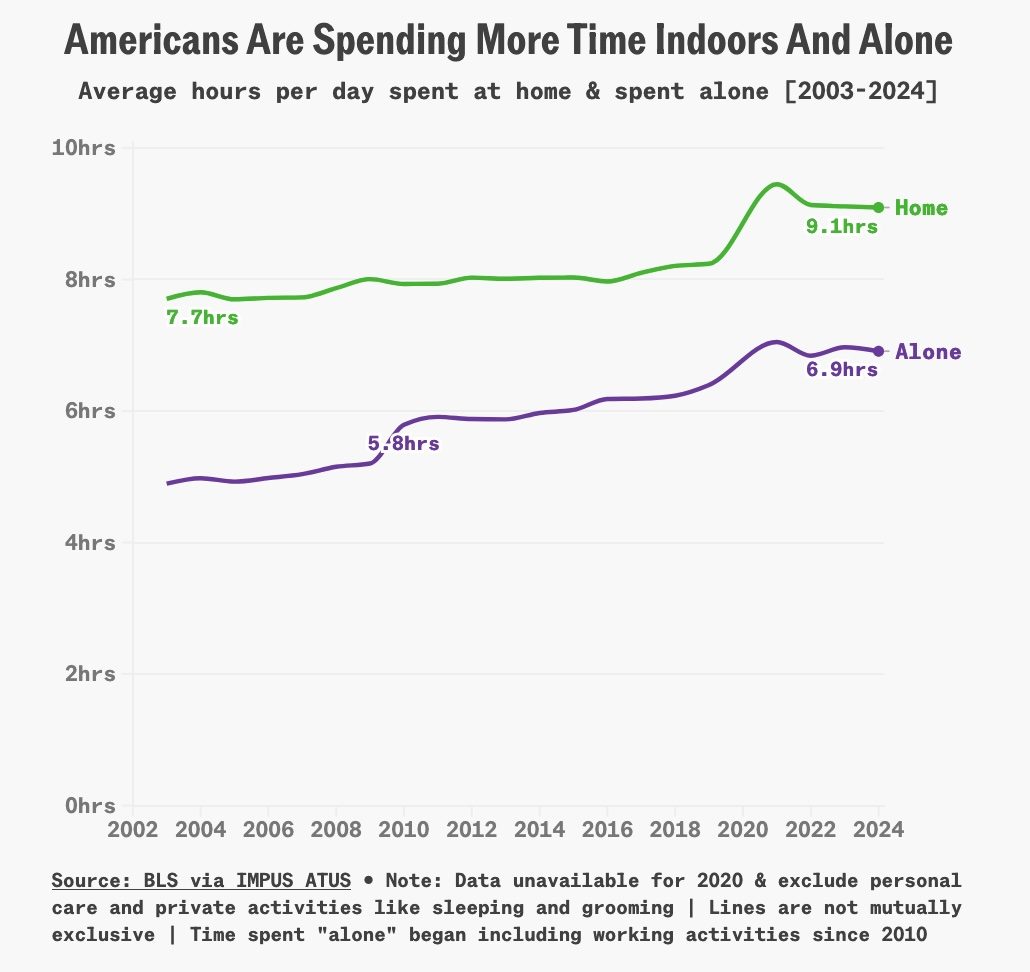
We have increasingly outsourced our neighborhood safety to digital networks, trading physical presence for passive observation. When data confirms that a community has collectively become a society of 'indoor cats,' a block loses its physical eyes on the street. Residents now look outward through double-paned glass or digital app feeds, cloaked in a high-grade introvertism that keeps them invisible from the sidewalk. Historically, neighborhood surveillance was alive and human—carried out by porch sitters, gardeners, walkers, cyclists, and backyard barbecuers. While high-tech surveillance systems like Flock cameras attempt to mimic that traditional human presence by logging the aftermath a crime has been committed, they cannot replace the preventative authority of active physical human presence.
The urgency for this physical intervention is acutely felt in the neighborhoods of Southeast Roanoke. For years, the district has grappled with elevated property crime and the complex, highly visible realities of chronic homelessness. As public spaces gradually transformed into settings of local anxiety rather than community gathering points, residents have naturally withdrawn indoors. This defensive retreat has left sidewalks mostly empty, creating a vacuum where illicit activity often unfolds completely unobserved. When a community cedes its streets to isolation, safety drops immediately; and this mural project wasn't designed just as a creative exercise, but a direct attempt to reoccupy a neighborhood that feels increasingly insecure.
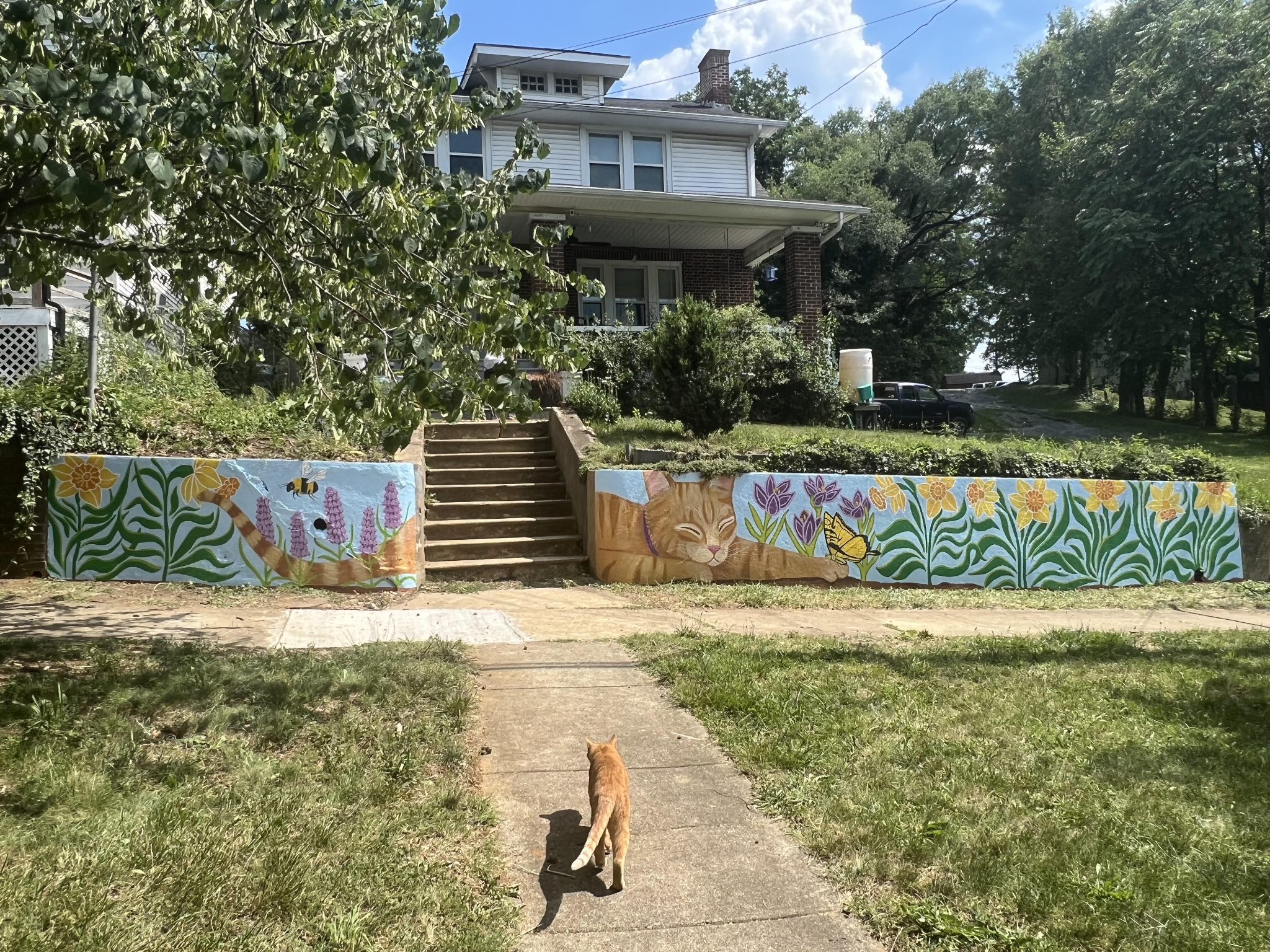
A hyper-local antidote to this neighborhood retreat materialized on a blank retaining wall in a residential neighborhood of Southeast Roanoke this summer, one of many mural projects in the city where a community chose to beautify their immediate surroundings.
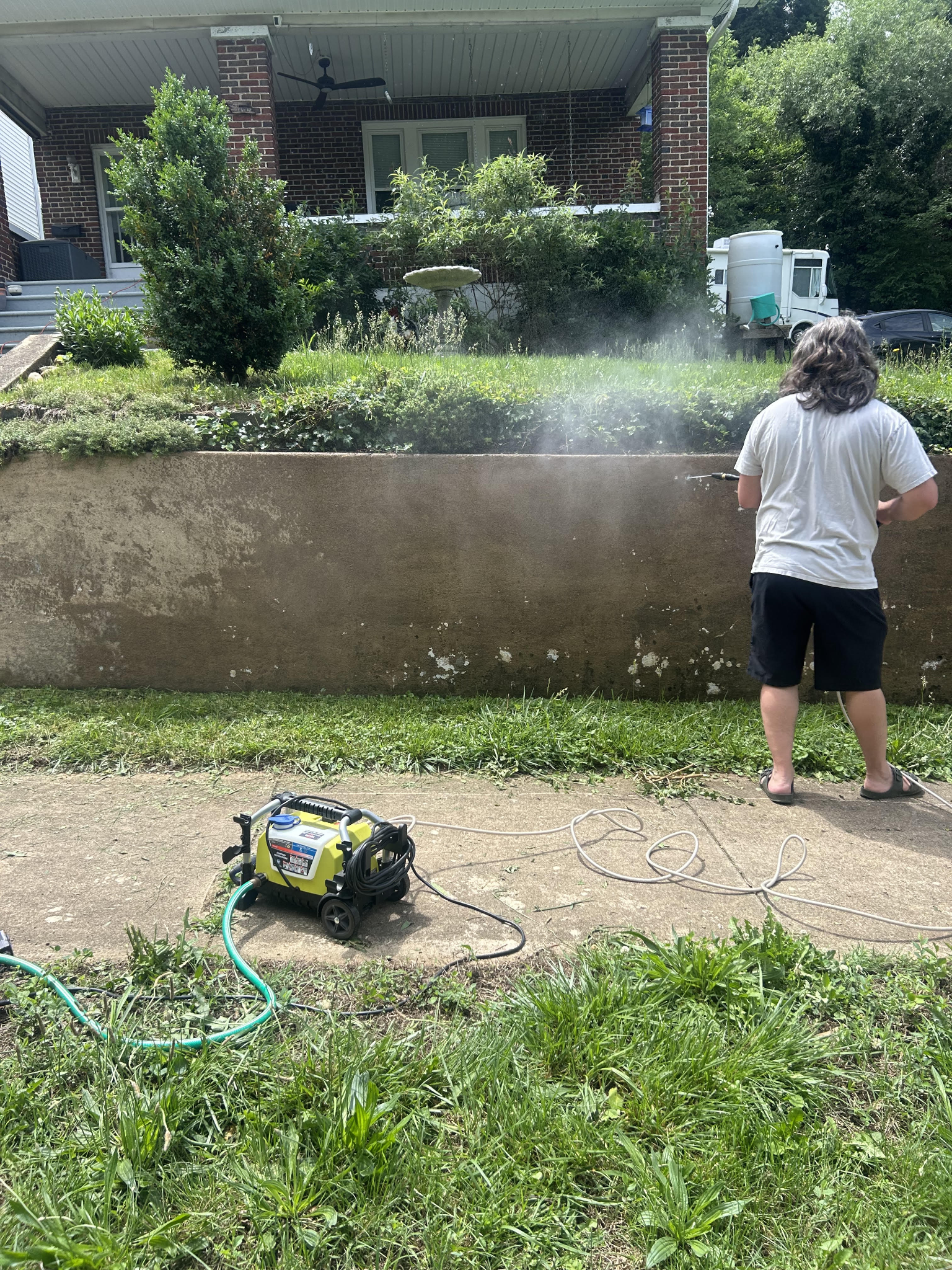
Organized by the grassroots group I Heart SE, This mural was funded through a Neighborhood Development grant from the Roanoke Neighborhood Advocates. By pairing public infrastructure dollars directly with grassroots community art, the initiative transformed a passive, ignored wall into a shared artspace.
This physical reclamation of the sidewalk is exactly what urban theorist Jane Jacobs championed when she argued that safety cannot be outsourced to passive tools or external forces. As Jacobs famously observed in The Death and Life of Great American Cities, "the public peace... of cities is not kept primarily by the police... It is kept primarily by an intricate, almost unconscious, network of voluntary controls... No amount of policing can enforce civilization where the normal, casual enforcement of it has broken down."
We are watching our neighborhoods retreat into digital isolation, and there is no end in sight with the recent trends among the younger portions of our society. One tried and true method to reduce crime is by creating a community focal point—something creatively stimulating enough to make people look up from their feeds and unlock their front doors. By drawing residents back onto the front porches and sidewalks of their collective communities, the neighborhoods will become safer for it.
The Broken Window Theory Applied to 100 Blocks
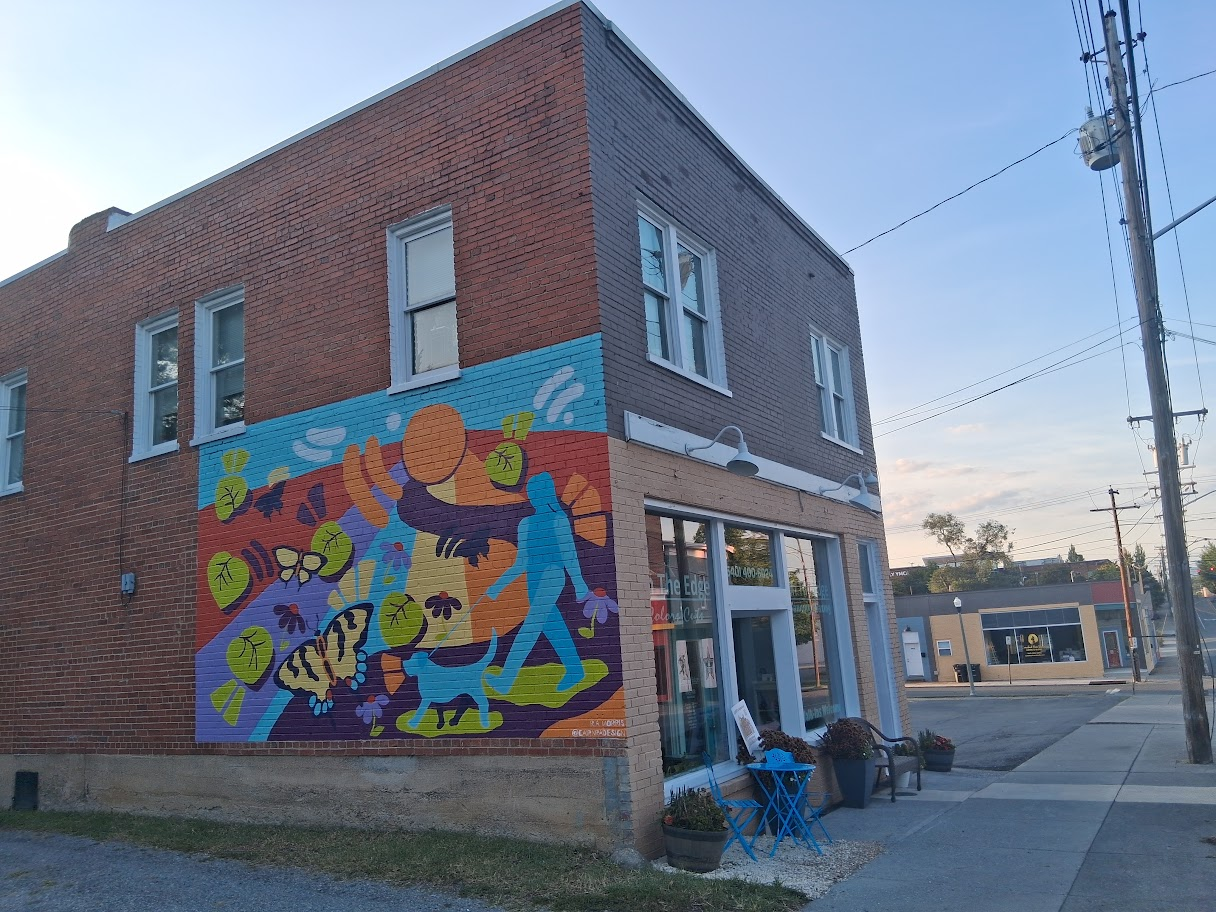
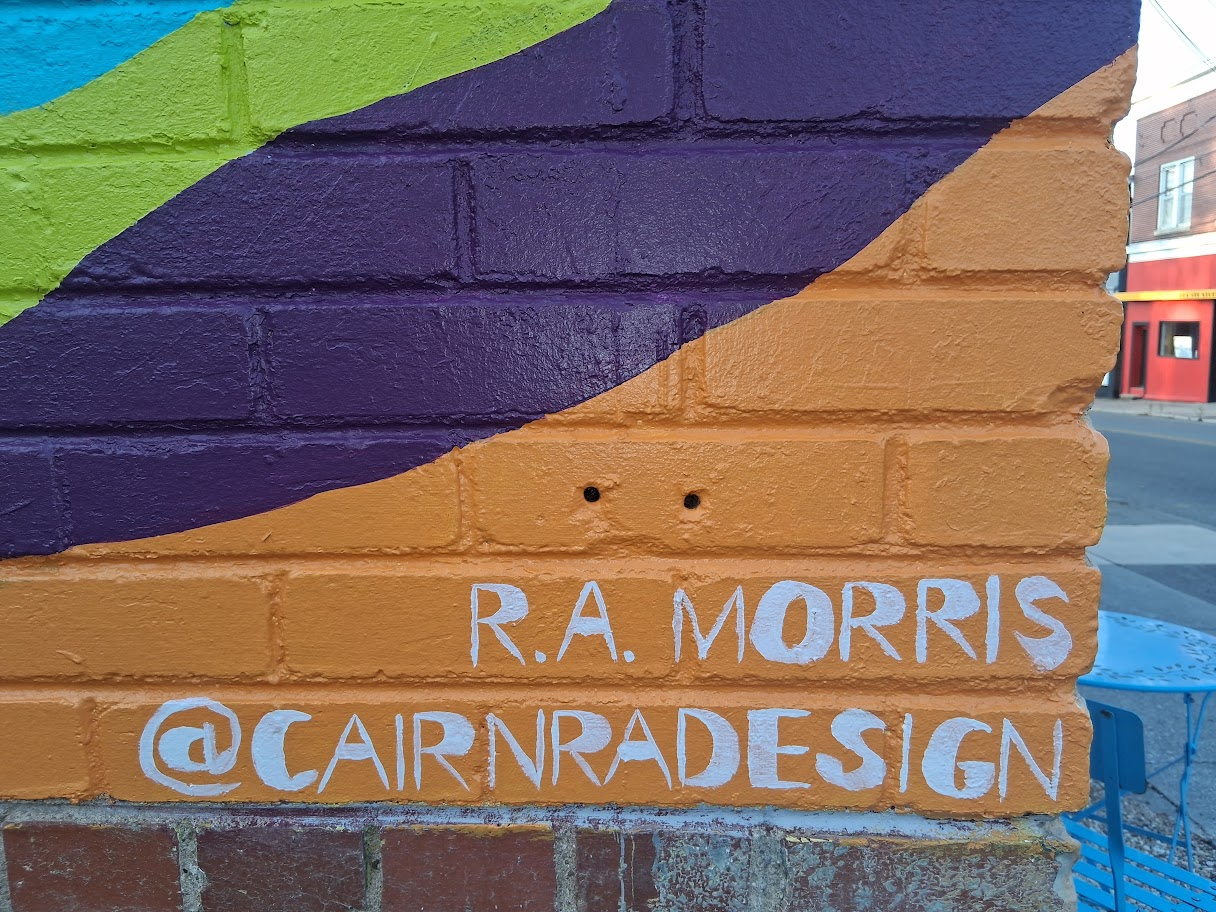
It is a visual optimism to be seen in Rachel Anne Morris’ recently unveiled mural on the side of the On the Edge Salon in the Old Southwest district. The artwork celebrates the casual art of walking itself, balancing energetic, Keith Haring-style waves with botanical motifs inspired by the native flora of Day Avenue Pocket Park.
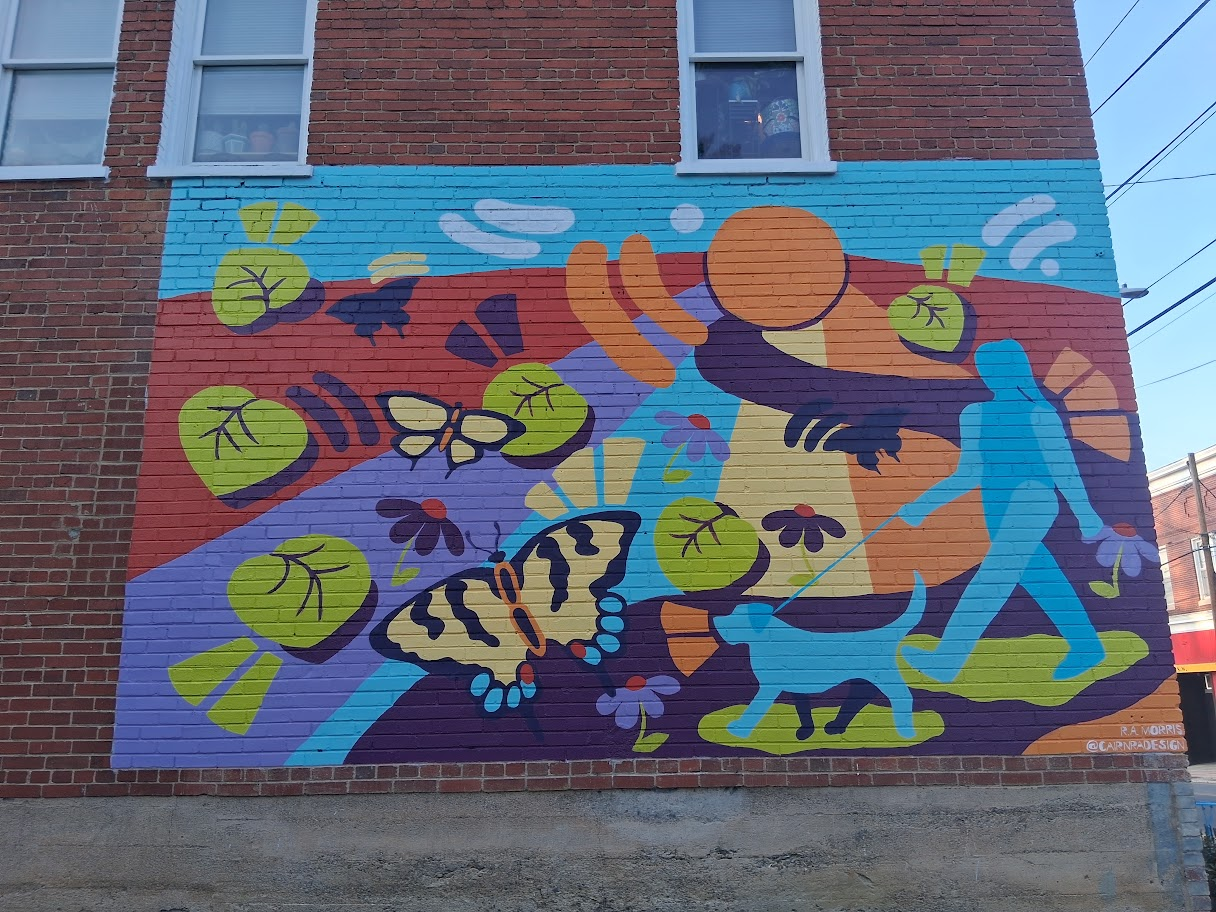
This type of block-level transformation, one of many independently produced murals that have sprouted all over town, shows how reversing blight by altering the physical landscape can invite people back onto the pavement. Urban planning data compiled by organizations like the Mural Arts Institute shows this intervention has a measurable impact on outdoor behavior; neighborhoods that integrate community-relevant public art see an average 42% reduction in local crime rates as increased pedestrian foot traffic naturally fills the sidewalks.
As a whole, there’s continued growth in Old Southwest, soon to be aided by the reopening of the Wasena Bridge. The neighborhood is a vibrant, walkable historic haven and is arguably Roanoke's greatest grassroots success story of reducing crime and derelict by improving the physicality of the place.
From the mid-1950s through the late 1970s, the district suffered from severe municipal disinvestment as a massive suburban exodus gutted the urban core. Elite early-century Victorian landmarks were widely neglected, demolished for parking lots, or carved up by absentee landlords into volatile, transient boarding houses. By the 1970s, rampant blight and open property crime defined the neighborhood, transforming its historic corridors into empty, defensive spaces where illicit drug sales, prostitution, and public intoxication flourished.
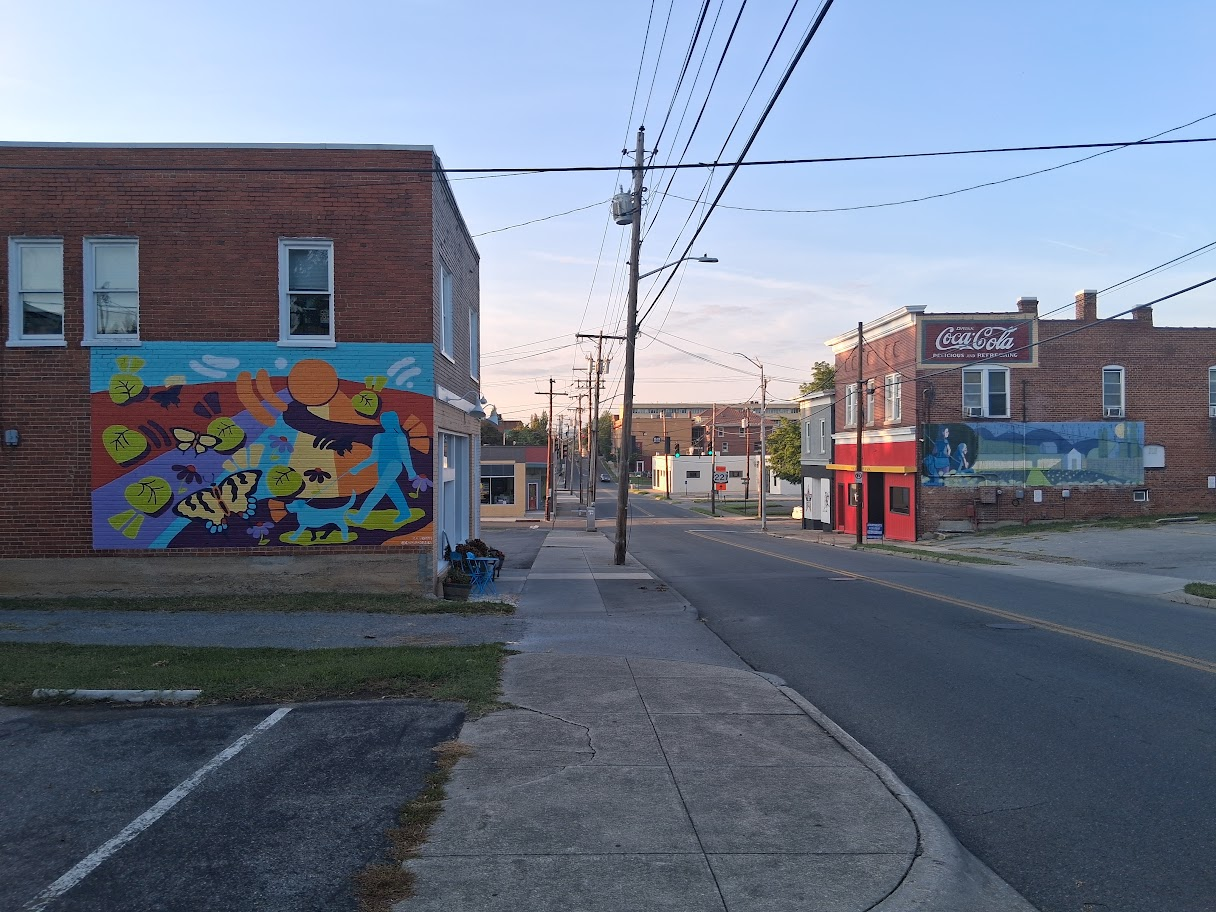
It took decades of intense sweat-equity, protective H-2 historic zoning, and neighborhood organizing to reclaim these streets from systemic decay. While their perspectives do not represent a blanket consensus across the entire neighborhood, a distinct subset of longtime residents who endured the area's challenges through the 1970s, 80s, and 90s carry a more complicated memory. For a faction of neighbors, the impending return of the corner market and the nearby concentration of social services do not look like progressive equity, but an administrative rollback toward the very vulnerabilities the community spent a half-century escaping. Yet on this active corner, where the Broken Window Theory predicts that faded spaces invite decline, Morris’ new work replaces a weathered mural to signal continuous community care.
Public Art as a Modern Streetlamp
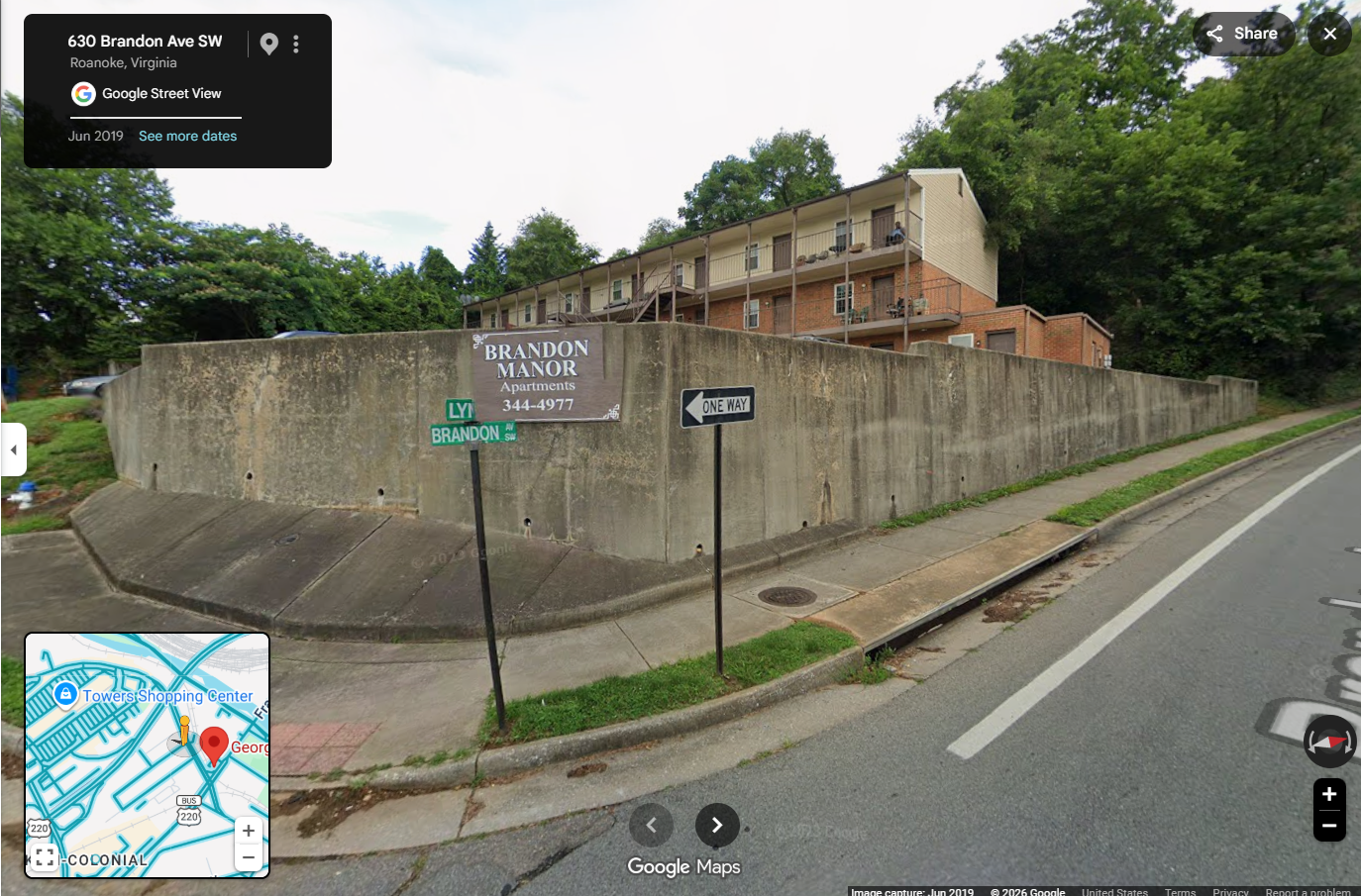
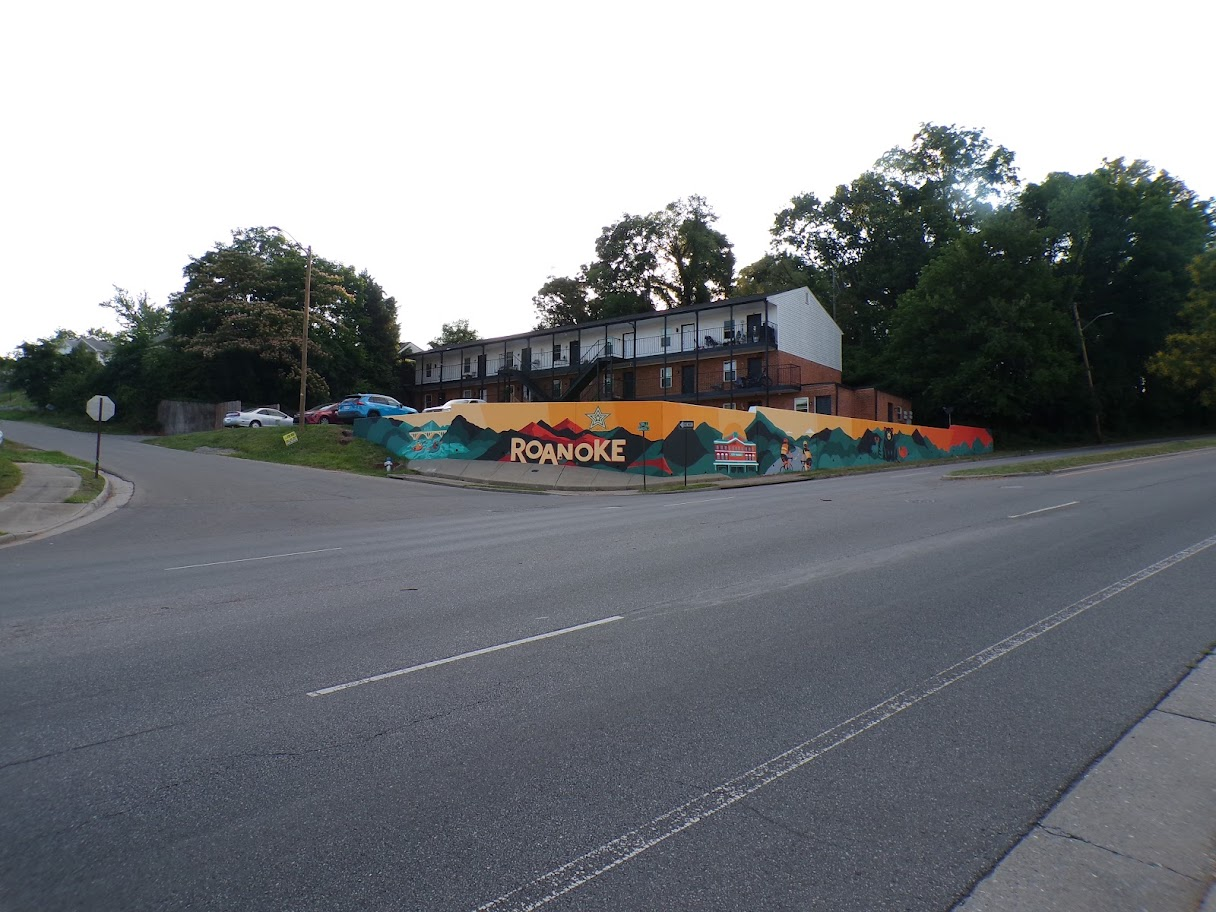
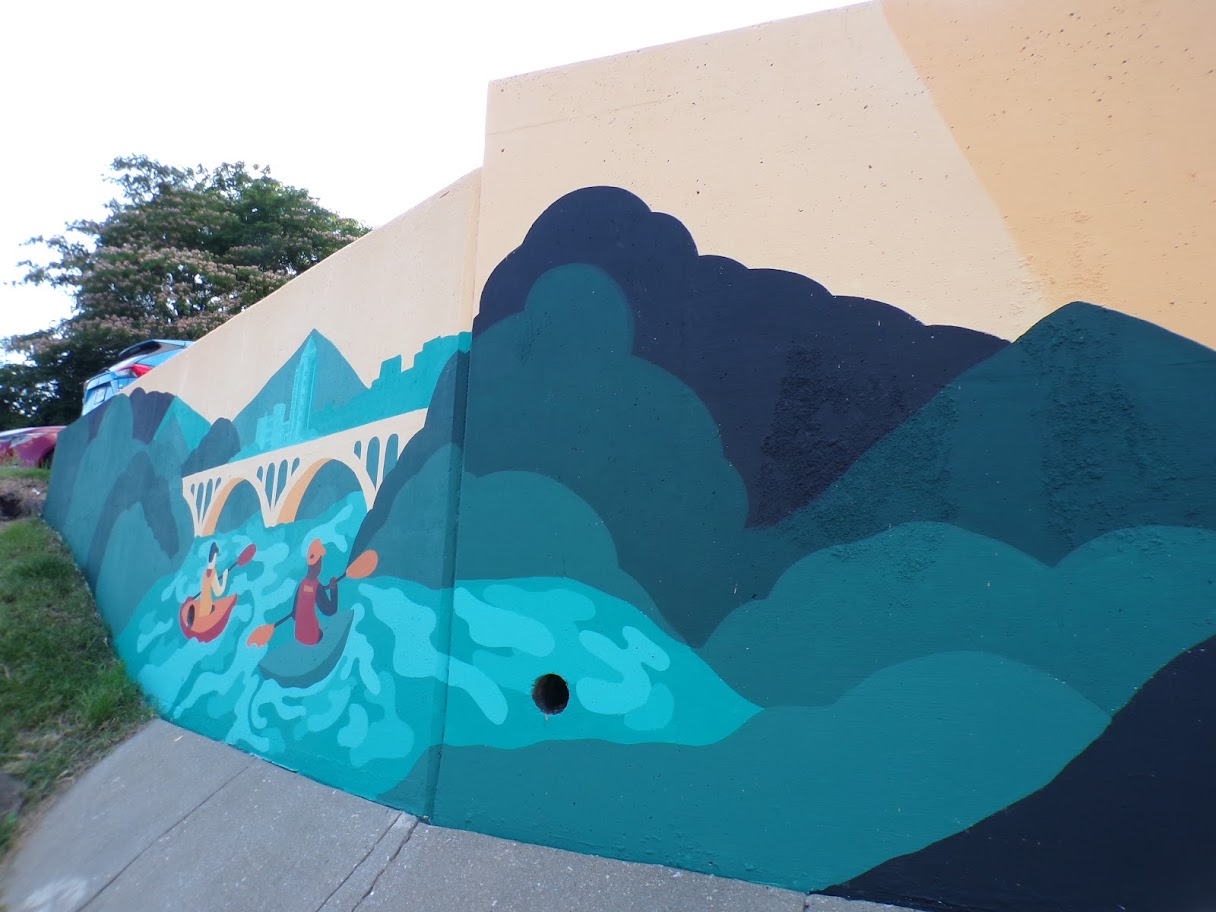
Car traffic on Fifth Street in Old Southwest is a quiet two lanes with mostly pleasant scenery when compared to the high-volume, four-lane corridor loudly running beside the corner of Lynn and Brandon Avenues, where artist Nathan Brown completed his 150-foot mural in June. This car-centric stretch is a sprawling, suburban-style asphalt thoroughfare, where high-speed vehicle lanes traditionally isolate drivers and shoppers from the surrounding landscape. The mural aims to add a feeling of safety and community care to what once was a blighted and tagged retaining wall.
Executed under the City of Roanoke’s Art in Place program, the project functions as a true public-private partnership, utilizing a strict 2-to-1 funding match where private property owners and business associations invest directly alongside the Roanoke Arts Commission. This hybrid financing structure allows the city to bypass standard standalone residential program limits, leveraging private capital to claim prominent transit-facing retaining walls for environmental design.
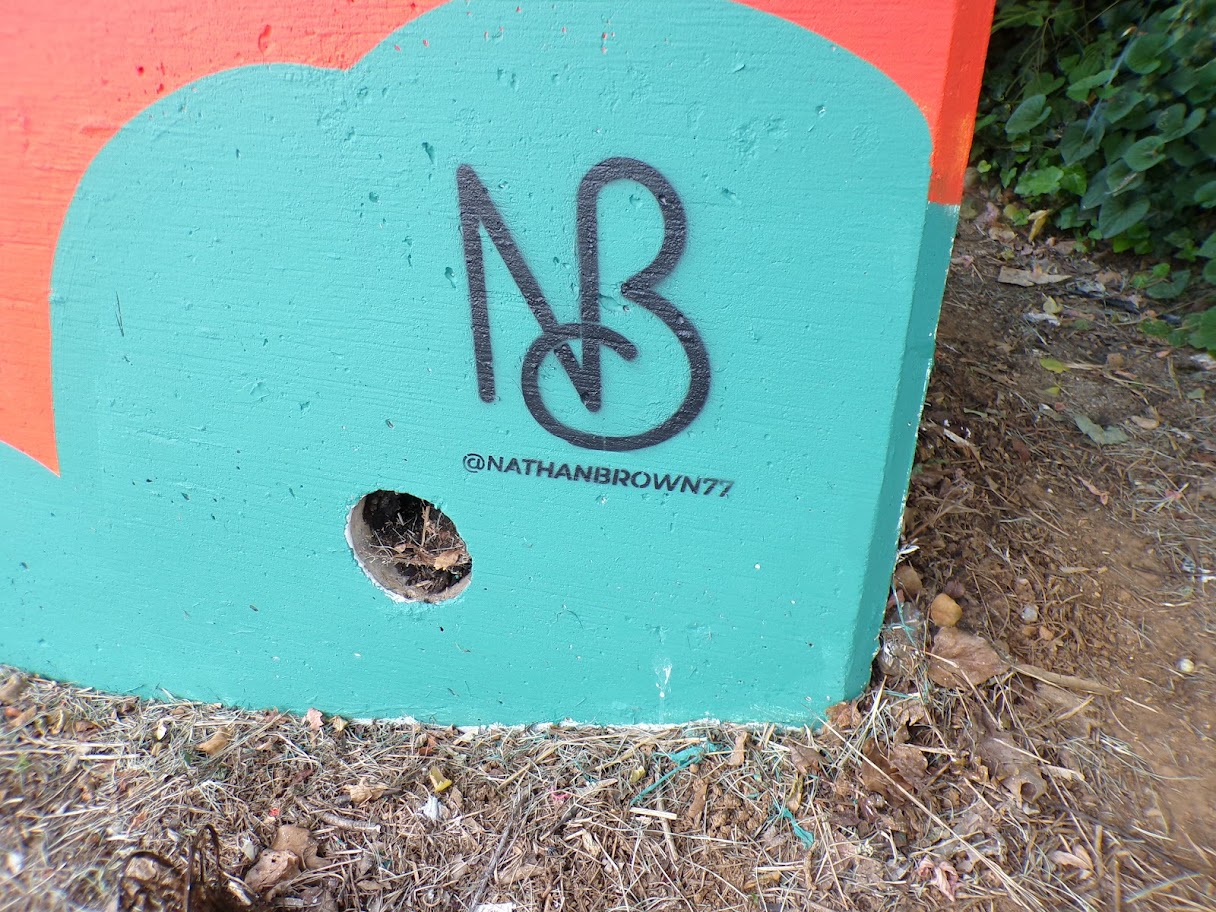
The Chattanooga-based artist celebrated iconic images of the city, with his work acting more as an artistic billboard than a neighborhood piece meant to sit and contemplate. His work acts as a bright, daylight, streetlamp, and carlight-lit billboard that uses bold color to command attention, claim the asphalt, and establish a highly visible presence on the adjoining blocks.
This modern effort to project security through environmental design builds upon a long and collective municipal history of altering physical environments to modify public behavior. Dating back to the gaslit streetlamps of cities of the 1820s, through the advent of electricity and now LED lighting, we have scores of data on the effect of light on urban crime.
A landmark randomized controlled trial conducted by the University of Chicago Crime Lab revealed that deploying high-intensity street lighting cut outdoor nighttime index crimes by a staggering 36%. Furthermore, a comprehensive study conducted by researchers at the University of Pennsylvania evaluating large-scale street lighting upgrades confirmed that improving illumination drops violent crime by 20% and slashes outdoor nighttime gun violence by 21%.
By stretching vibrant, gradient color bands across a massive section of a heavily trafficked Brandon Avenue, Brown’s billboard-scale installation replicates a similar environmental intervention. The design asserts visual authority over a sprawling roadway to build safety through optics long before an automated camera ever logs an offense.
Future Potentiality - The Long Play
The reopening of the nearby Wasena Bridge is poised to fundamentally alter the walkability of this entire commercial stretch. This pairs with the expanded construction at Wasena Park starting beside the recently vacated George’s Flowers. The recent addition of the new bike and skate park, alongside the upcoming in-river park project, converts the riverbank into a massive outdoor hub.
With these recreational spaces blossoming, foot traffic from Wasena Park will naturally bleed into the Brandon and Lynn Avenue residential and commercial district. This ongoing infrastructure progress transforms the mural from an isolated roadside visual into a prominent gateway piece. It stands ready to welcome walkers, skaters, and cyclists transitioning from park trails onto Brandon Avenue, Franklin Road, Colonial Avenue, and the shopping center sidewalks—simultaneously breaking the windshield isolation of passing drivers by replacing a hostile concrete corridor with a vivid, decelerating sense of shared civic space.
Where Crime Deterrence is Most Needed
The Northwest District as a whole has endured systemic municipal disinvestment for decades. Even traditional commercial cornerstones of past regional renewal—ironically a part of urban renewal efforts that transplanted an entire community—such as Valley View Mall and the Berglund Center, have seen much brighter days. Residents of the district navigate the city’s highest crime rate and its most concentrated pocket of visible infrastructure neglect.
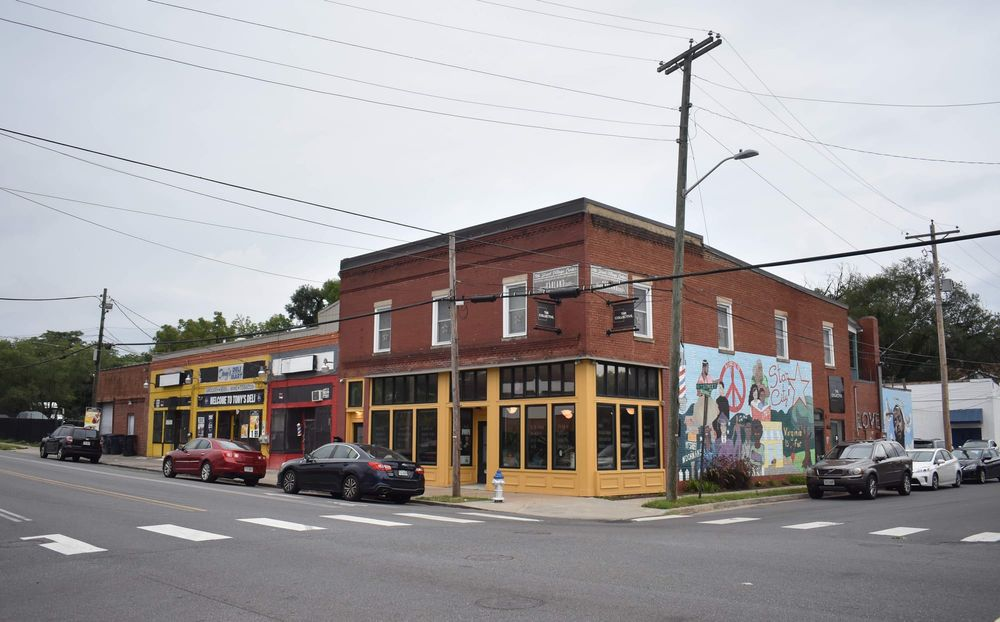
Yet, where traditional economic infrastructure has faltered, community leaders are using large-scale public art as a direct environmental intervention to physically reoccupy the neighborhood.
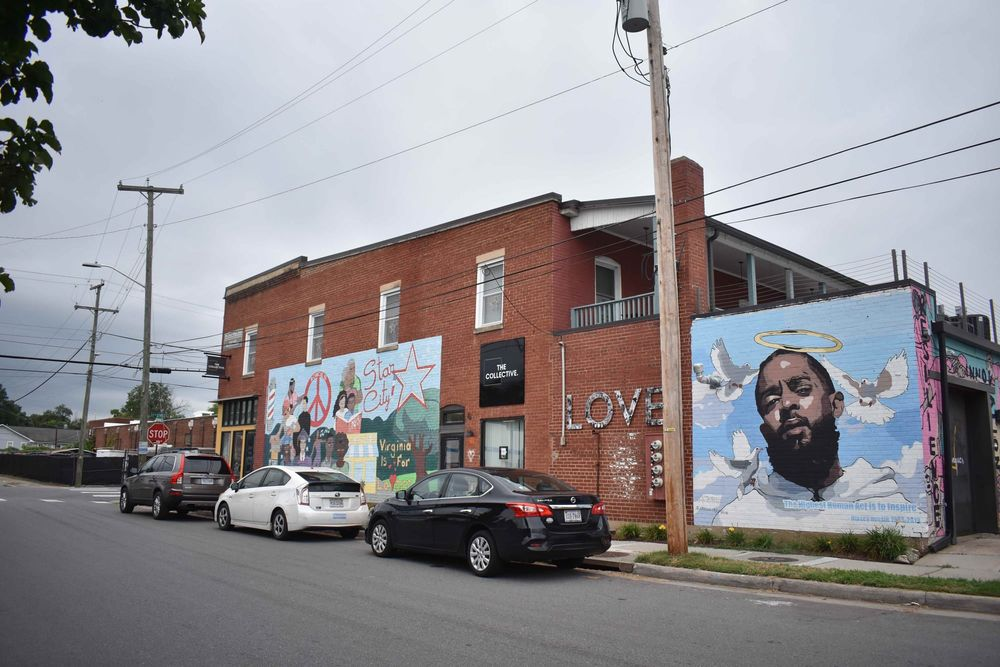
At the intersection of 11th Street and Moorman Avenue, the brick exterior of the community coworking space, The Collective, serves as a visual harbor for this movement. The building features a prominent exterior mural honoring the legendary rapper, activist, and entrepreneur Nipsey Hussle. The inclusion carries a poignant, direct connection to the theme of public safety; Hussle dedicated his career to revitalizing underserved neighborhoods before his life was cut short by street violence in 2019.
Designed and executed by local artist Bryce Cobbs in 2020, the 11th Street mural was funded through a creative neighborhood activation grant to better a commercial corridor defined by vacant, boarded properties. By transforming a prominent brick wall into a vivid monument of resilience, the public-private partnership aimed to project neighborhood authority and drive pedestrian traffic back to a historically vulnerable corner.
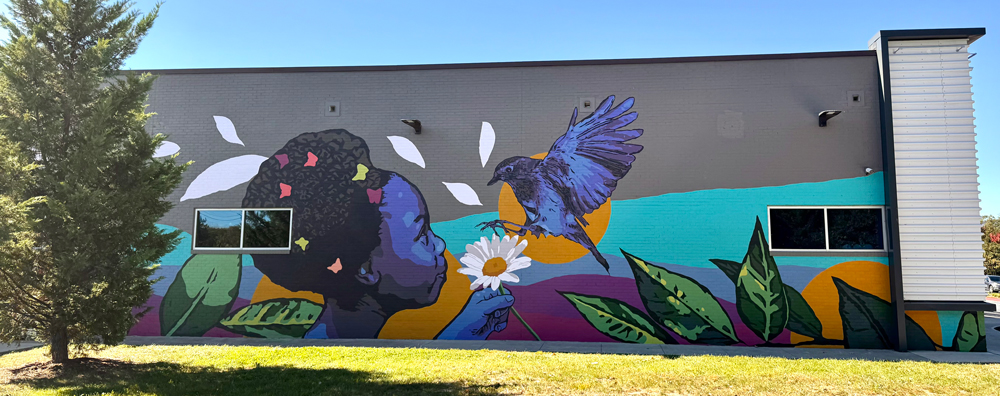
Following up this seminal mural, Cobbs continued this work by painting sweeping historical narratives across the district. In 2025, his large-scale exterior community mural adorning the entrance of the new Market on Melrose, entitled "Rooted in Joy," used vibrant, uplifting colors to completely reframe a high-traffic corridor by the newly constructed Melrose Plaza into an active canvas of neighborhood pride. One of his large-scale installations at the Gainsboro YMCA from that same year, created in collaboration with J.C. Stallings, honors local civil rights icons who fought against the very urban renewal policies that fractured the neighborhood. His profile as a local public artist has only risen since, with his drawing of Henrietta Lacks serving as the baseline design for the plaza sculpture erected next to City Hall.
This psychological reoccupation arrives at a major transitional moment for the area's daily traffic. With the impending arrival of the international wellness company Ringana, approximately 400 daily corporate commuters will be added to the regular mix and will soon be traversing the neighborhood's residential bypasses.
As commuters and locals navigate the district, the goal is for both groups to bear witness to a continuous broadcast of neighborhood care and active residency. By replacing blank, vulnerable surfaces with intentional storytelling, these public works alter the psychological layout of the streetscape—shifting the perception of passing drivers from a volatile zone of transit to a lived-in space with active community ownership.