
Brief Valley Metro Stoppage Signals Key Bargaining Stage as Fare Increase Proposed
Bus drivers refused overtime on a Monday earlier this month.

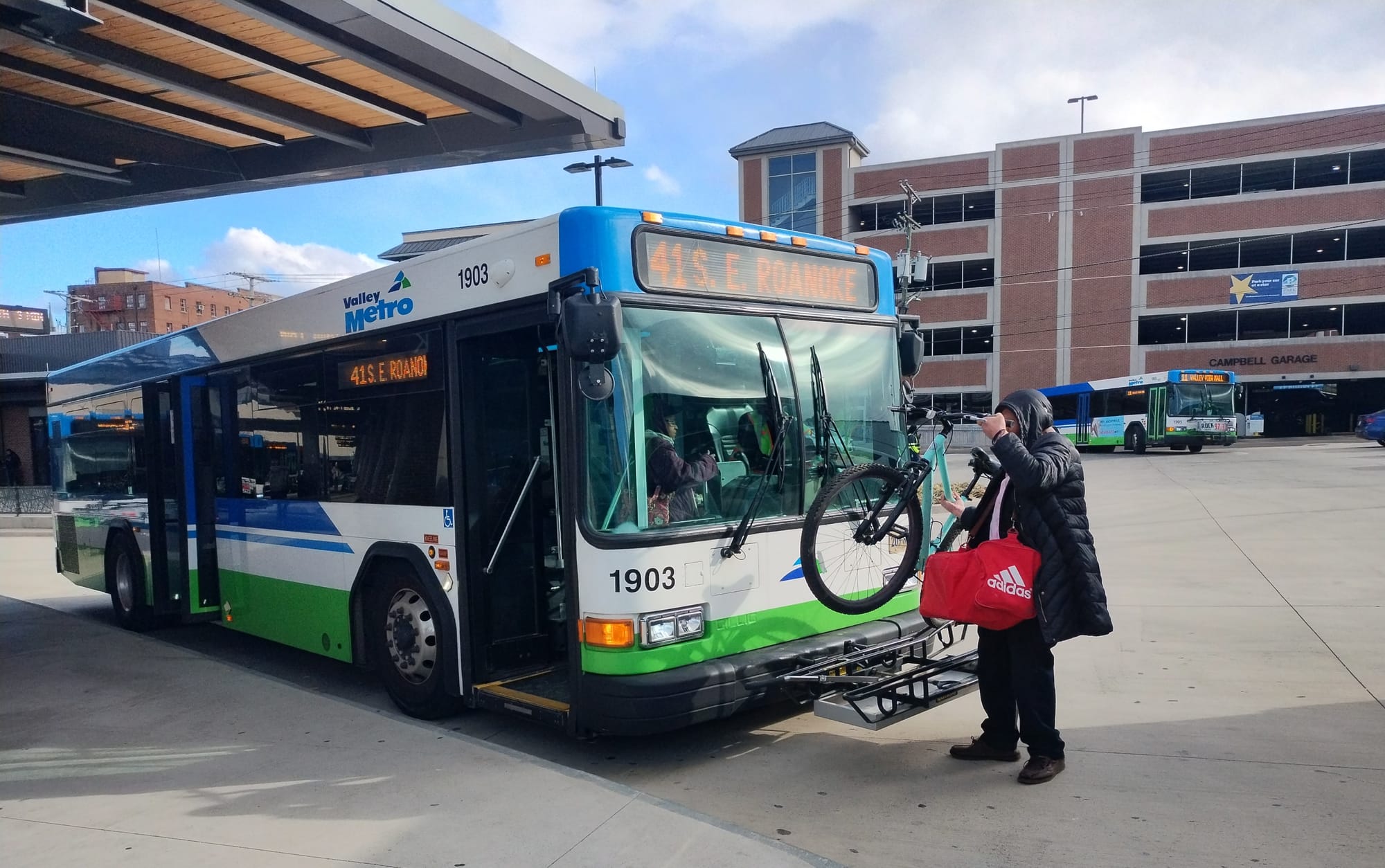
Valley Metro bus drivers briefly interrupted service this month by refusing to work overtime, a tactic to apply pressure during ongoing contract talks.
Because Valley Metro, like other bus systems, cannot hire enough drivers to run all its routes, it needs some drivers to volunteer for overtime. That stop-gap faltered when drivers declined all overtime shifts March 2, a Monday.
Employees coordinated the action to signal the urgency of Valley Metro returning to the bargaining table after a meeting in November, according to the union leader. The two sides later resumed communication.
In addition, Roanoke’s city manager this week proposed raising the fare — from $1.75 to $2 per ride — to help pay for higher labor costs. The last increase was eight years ago.
Union-represented employees work under an extension of a contract that expired last summer and are bargaining for undisclosed pay increases over three years.
J.J. Richards, executive board member with the Amalgamated Transit Union local 1493, said the protest earlier this month — during which no drivers volunteered to work overtime — continued for an hour. The impact was immediate. Three buses did not depart the Third Street Station as scheduled, affecting an estimated 25 riders. Richards said.
Valley Metro General Manager Kevin Price contacted Richards to express his concern. “He said he would make stuff happen,” Richards said, and the union ended the action soon after the conversation. Normal service resumed the same day.
Price confirmed most of Richards’ account of the incident Monday. He said no service was available on part of the impacted routes for a short time. But Price said he was not aware that any riders were stranded.
As for bargaining, “we’ve resumed labor talks,” Price said.
Richards confirmed that union and management representatives recently spoke. But each side’s full bargaining panel had not yet met again, he said.
The disruption arose from a coordinated decision by drivers to refuse overtime. Riders were already on their buses when they learned they had no drivers. They were asked to get off and wait for the next run an hour later, Richards said.
The union was awaiting further developments at the bargaining table with no additional service interruptions planned as of Tuesday.
“We could really impact it big time if we wanted to. But I’m not going to do that to the public,” Richards said.
Valley Metro carries more than 1,500 people a day to and from jobs, shopping and appointments in Roanoke, Salem and Vinton. It employs 51 drivers but needs 60 to 65, officials said.
About eight to 10 drivers work double shifts on a typical day, according to Richards. Also a driver, Richards said he doesn’t volunteer. In his opinion, driving back-to-back shifts is “unsafe.”
Valley Metro pays drivers double their regular pay rate when they work overtime, which is one factor driving up expense, according to Corey Alshouse, Valley Metro’s interim finance director. Valley Metro spent 5 percent more on general operations during the first four months of this fiscal year than it did during the same period of last fiscal year, a difference of $293,884, due to multiple cost increases, he said.
Richards argued that higher pay would help Valley Metro with hiring. The more drivers Valley Metro employs, the less overtime expense it would incur, in his estimation.
Price said pay level is one factor in hiring. “A wage helps,” the bus system general manager said, “but you still need to have a certain amount of people available to work.”
Other developments could shape Valley Metro’s year.
The Greater Roanoke Transit Co. board of directors revealed Monday that it is preparing to increase the fare from the current $1.75 to $2. Members of the public will be invited to comment on the idea June 8 at the Third Street Station, according to tentative plans.
The planned fare hike is designed to address several categories of increasing costs, including personnel and management. It was recommended by Valmarie Turner, Roanoke’s city manager, according to city records.
Meanwhile, behind the scenes, municipal leaders started a process late last year to solicit bids from transit system management companies to operate Valley Metro in the years to come. They have given no public updates more than three months since the deadline for applications came and went. Price declined to comment on the process. His employer, Transdev, is the incumbent management company.
Transdev is under contract only until June 30.
Also, the city created a job called director of transit to be compensated at $128,000 to $204,000 annually. Recruiters plan to receive applications through the end of the month before selecting a leader to oversee the management company and transit generally.
During Transdev’s tenure, Valley Metro has made a number of improvements, including the launch of a phone app to track the buses. It purchased electric buses and built a new bus station. And it received a 2.5-percent increase in its monthly management fee effective last summer.
The next employee pay raise will be decided at the bargaining table and at a union ratification vote. It’s unclear when such a vote might happen.
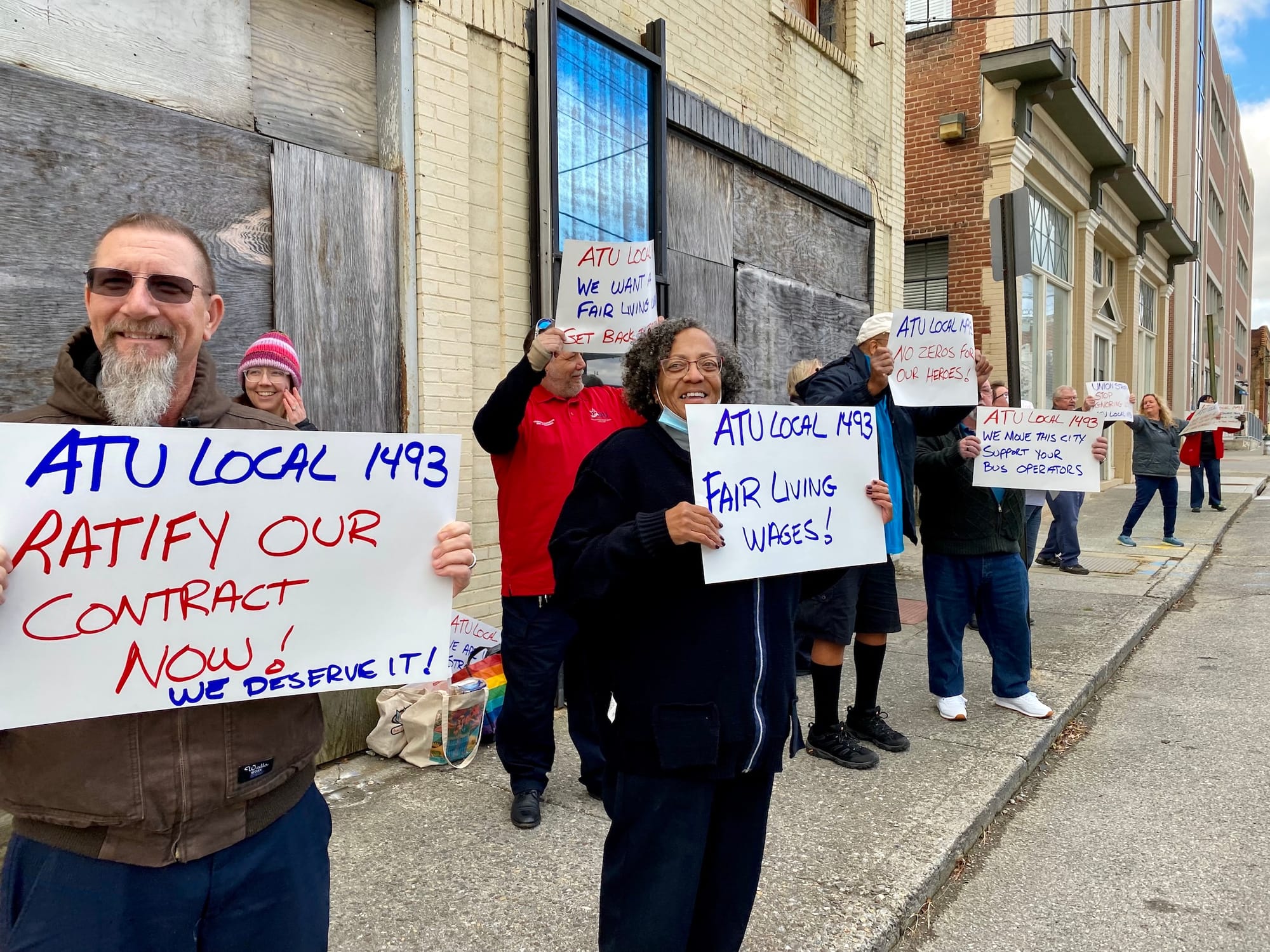
Drivers, mechanics and bus cleaners bargain with Valley Metro through their union local every few years. They have had disagreements in the past, leading to a picket in 2022. This time around, the two sides have tentatively agreed in prior meetings to several new contract terms, but the pay-raise portion of the negotiation is incomplete, according to Richards.
Any raises won in the new agreement will be retroactive to last summer, both sides said.
Bus systems across the country are grappling with similar issues, including driver shortages, demands for higher pay and higher overall expenses, Price said. “It’s not solely a Valley Metro issue,” Price said. “We are not in our own little echo chamber.”