
Residents Worry Roanoke Is Backtracking on Neighborhood Investment Promises
The city fell short of its own spending goals last year in the Belmont-Fallon area, according to a federal report.

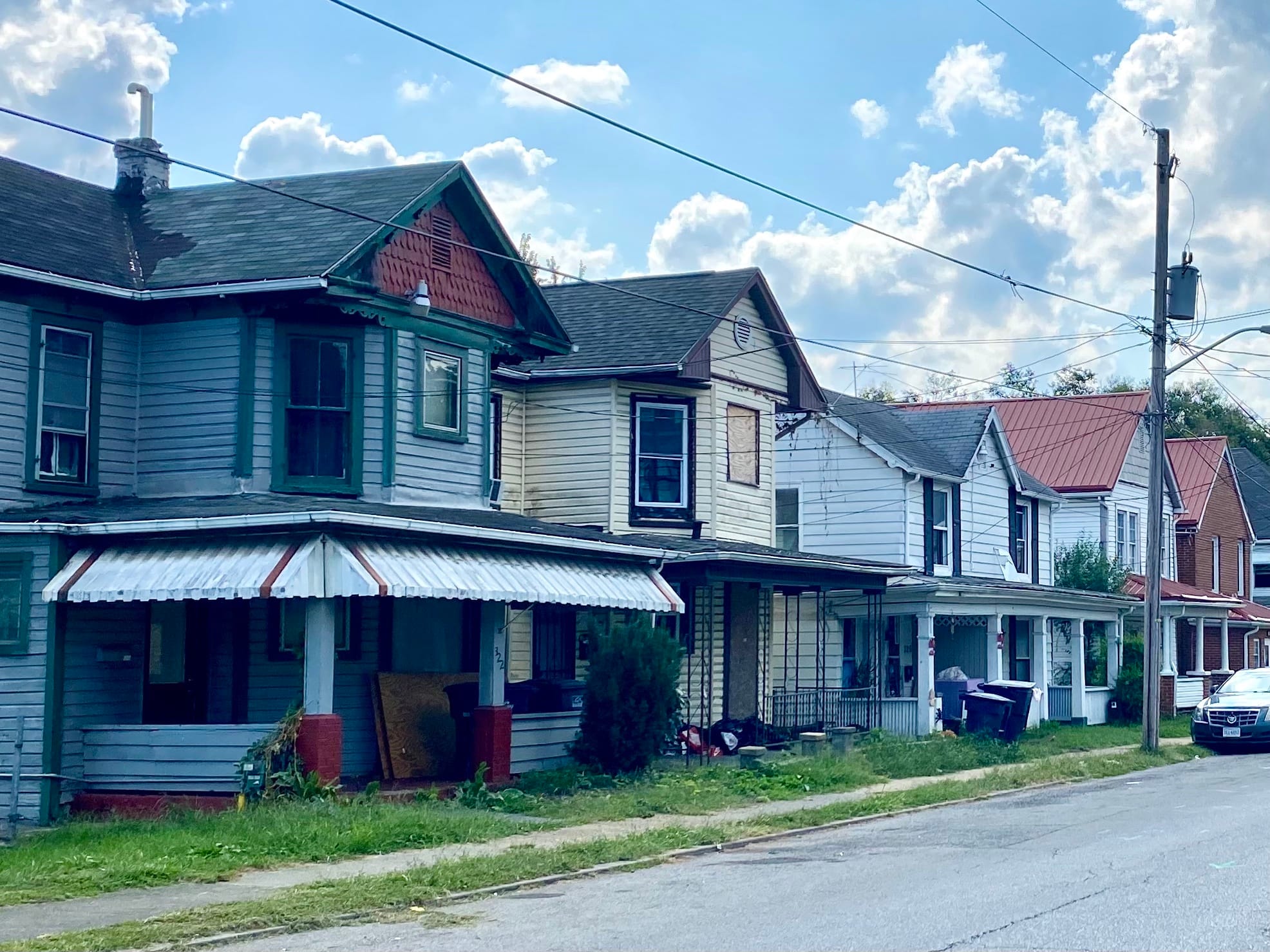
For years, residents in Northwest Roanoke believed the Gilmer-Harrison neighborhood was next in line to receive long-promised investment from the city. But now, a new development plan has the community worried that the city is quietly breaking that promise.
The city’s proposed 2025-2029 Consolidated Plan is raising concerns that Roanoke may pull back from investing federal housing and development funds into its highest-need neighborhoods — a break in a target area investment strategy the city has followed for decades. If adopted, the plan would sharply reduce the share of federal funding dedicated to specific target neighborhoods, sending most dollars to citywide projects instead.
That change comes after the city fell short of its own federal spending goals last year in the current target area, Southeast Roanoke’s Belmont-Fallon, according to a federal report. The draft Consolidated Plan does not name a new target neighborhood after Belmont-Fallon’s designation ends in 2026, raising questions about whether the neighborhood-focused strategy will remain in place.
When asked this week whether the city plans to discontinue the use of target areas, city spokesman Adam Fajardo wrote, “A decision on whether to continue using target areas has not been finalized yet.”
Roanoke receives about $2.5 million a year in federal grants from the U.S. Department of Housing and Urban Development, including the Community Development Block Grant program and the HOME Investment Partnerships Program, which support affordable housing, infrastructure and neighborhood development projects. The Consolidated Plan outlines the city’s five-year strategy for spending those funds.
The current target area, Belmont-Fallon, was selected by City Council in a 2019 HUD policy revision, following a recommendation by a citizen advisory committee.
That committee also identified Northwest’s Gilmer-Harrison as the “second-highest priority area for future consideration.” Many residents assumed that meant Gilmer-Harrison would be the city’s next target area, following Belmont-Fallon.
City planning staff reinforced that expectation. Roanoke’s former Planning Manager Wayne Leftwich described Gilmer-Harrison as the city’s next target area during a 2023 Gainsboro neighborhood meeting.
Residents in the meeting expressed frustration that more pandemic relief funding hadn't been put into redeveloping housing in the Gainsboro area. Leftwich told them that development funding would arrive eventually, once their neighborhood became a part of the city’s next target area: “We know that we are coming back to Northwest in a few more years after Southeast,” he said.
“What we're looking at is an area from about [the] Gainsboro area over to, say, 11th Street,” Leftwich said, describing what would eventually become the Gilmer-Harrison target area. “We haven’t mapped that yet, but we do know that that’ll be generally where our next target area is."
Three years later, the city’s 2025-2029 Consolidated Plan draft does not follow Leftwich’s description. Instead, it states that the city has not yet identified another area for future investment.
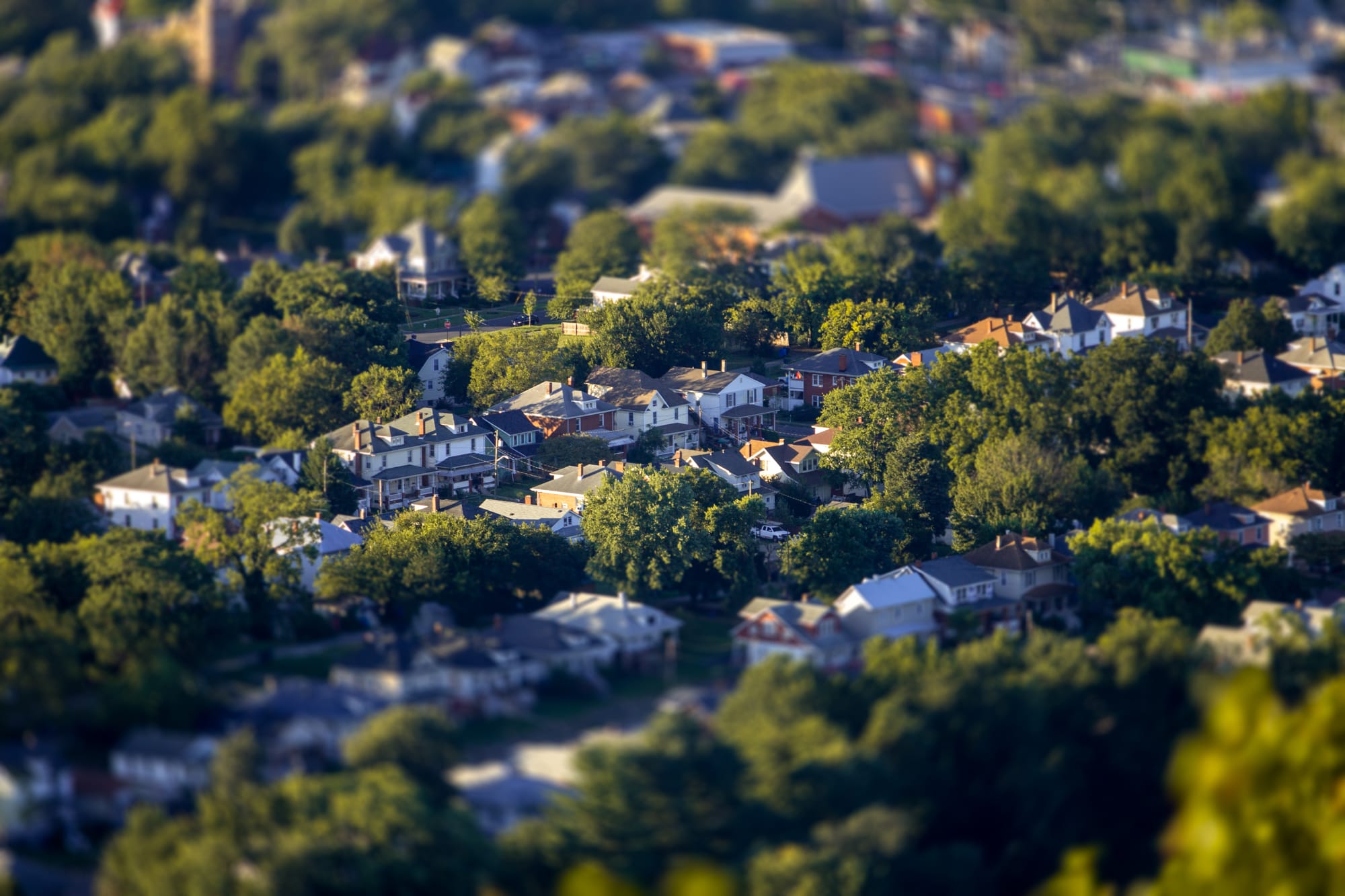
After Belmont-Fallon’s designation ends this year, public input and research will “guide recommendations on future investment plans,” according to a city statement provided last week by spokesman Fajardo.
Gilmer-Harrison’s absence from the draft plan caught some residents off guard. Angela Penn, director of the local nonprofit Total Action for Progress, said she was surprised to learn about the omission during a community meeting last week.
TAP offers housing support programs and is the city’s official land bank operator, overseeing a $2 million affordable housing fund created by City Council in 2023. Penn stressed in an interview last week that she was speaking as a community member and not on behalf of the nonprofit.
Penn said Gilmer-Harrison has been waiting “patiently” for targeted funding since 2019, when the City Council’s advisory committee ranked the neighborhood second to Belmont-Fallon. Given that ranking, “in all fairness, these resources should go to the community,” she said.
The city acknowledged the committee’s 2019 recommendation in a statement shared by spokesman Fajardo but said the ranking did not formally guarantee the order of target area designation.
“Although their recommendation document mentions that Gilmer-Harrison was their second choice during that selection process it does not designate Gilmer-Harrison or any other neighborhood as second in line for the next round of funding,” the statement said.
To Penn, the decision contradicts what residents understood from the 2019 process.
“The community wants to see these resources going into the neighborhood, and the leaders should know that this is what the community wants,” she said. “We want you to follow the process that you went through back in 2019.”
Molly Hunter, Roanoke’s Neighborhood Services Coordinator, has heard several similar concerns from community members who live in what would be the Gilmer-Harrison target area.
“There have been promises that were made by planning department staff for years now, saying this is going to be the next target area,” she said.
For many residents Hunter has heard from, the neighborhood being left out of the draft HUD plan feels like a sign the city will break that promise.
The new draft plan also proposes a major change in how the city would distribute its HUD funds across the city. Under the 2019 HUD policy revision, at least 51 percent of combined Community Development Block Grant and HOME funds were earmarked for the designated target neighborhood. The new Consolidated Plan draft would cut the target area’s overall share to 20 percent, leaving 80 percent for projects citywide.
“The change reflects efforts to optimize the use of grant funds within the five-year grant period,” Fajardo, the city spokesman, wrote in a statement.
That’s not always been the case.
According to Roanoke’s 2024 annual HUD performance report, the city fell far short of its target-area funding goals. While the city projected dedicating 59 percent of its overall HUD spending to the Belmont-Fallon target area, only 28 percent actually went there. The remaining 72 percent went to citywide projects.
The report attributes the shortfall in part to fewer project applications from within the target neighborhood. HUD funding in the Belmont-Fallon area has supported housing construction and rehabilitation, infrastructure improvements like street and sidewalk improvements and other economic development projects, according to the Consolidated Plan.
Cameron Chase, chair of the council-appointed Roanoke Neighborhood Advocates, worries that the city is quietly abandoning its long-held target area approach.
“It does seem that the city is not being transparent about what the process is right now,” he said.
In a recent meeting, Chase said he asked Roanoke’s new Housing Programs and Policy Officer Desi Wynter whether the city would continue using target areas after Belmont-Fallon concluded. Chase said Wynter did not answer his question directly, saying, “We’re still accepting public comment.”
“That answer only made me more reserved about the transparency of what is happening,” Chase said. “If my board can’t get a straight answer, then who is going to get a straight answer?”
Wynter did not respond Tuesday to a request for comment on the interaction.
Hunter said that Roanoke’s planning department staff remains supportive of the target area model. “We have seen the community respond well to that model, and would love to see it continue, if it means yielding those really positive results,” she said.
But without clarity from city leaders on whether or not the target areas will continue, planning staff are left in a bind, she said.
“I have people who I see on a daily basis who are really, really concerned about various issues, and I want to be able to allay those concerns and prevent panic when there’s no need to panic,” she said. “It can be hard to do that without really clear guidance on what our message is.”
For residents who are concerned about the future of the target areas, Hunter stressed the importance of submitting public comment: “If you don’t, then your voice is not going to be heard.”
Rambler Founder Henri Gendreau contributed reporting to this story.