
Roanoke's Historic Huntingdon Gets Reprieve, Developer Backs Off Demolition Plan
The home has been on the state and national historic registries for more than 30 years.

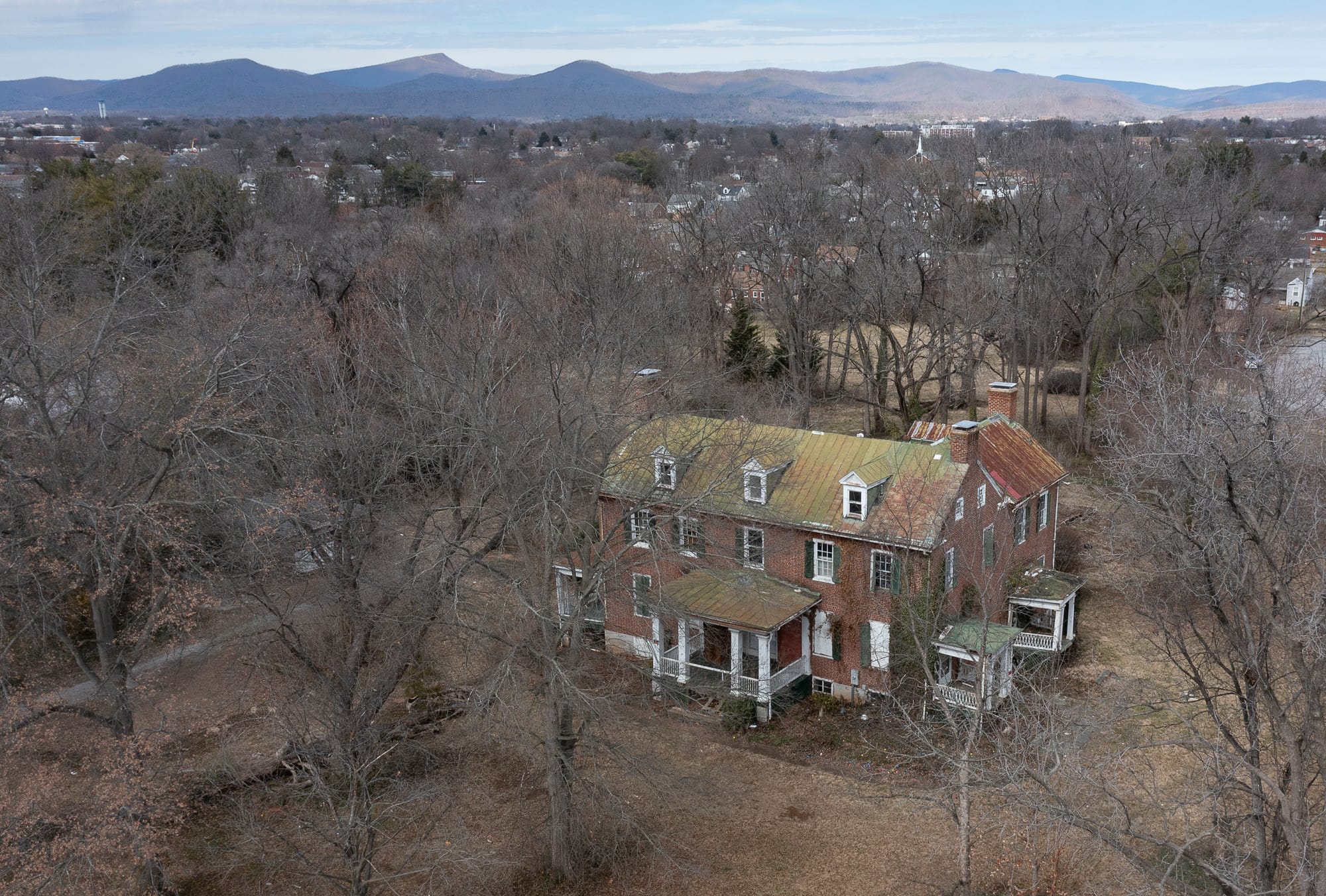
A 200-year-old farmhouse that once anchored a plantation in Northeast Roanoke could be spared after a builder initially proposed razing it to make room for more than 50 new homes.
Contractor Sullivan Moore said Tuesday he’s revising a tentative plan to remove the landmark dwelling known as Huntingdon. The proposed construction of tightly packed houses and townhomes is probably off the table as well, he said.
Moore learned in a recent meeting with city officials that details of the initial proposal for 42 townhomes and 12 houses were “not up to code,” said Moore, who is with Moore Contracting of Vinton. Moore didn’t explain why the plan went against code.
“We’re going to take a more moderate approach to the land, just developing the road frontage with potentially keeping the house,” Moore said.
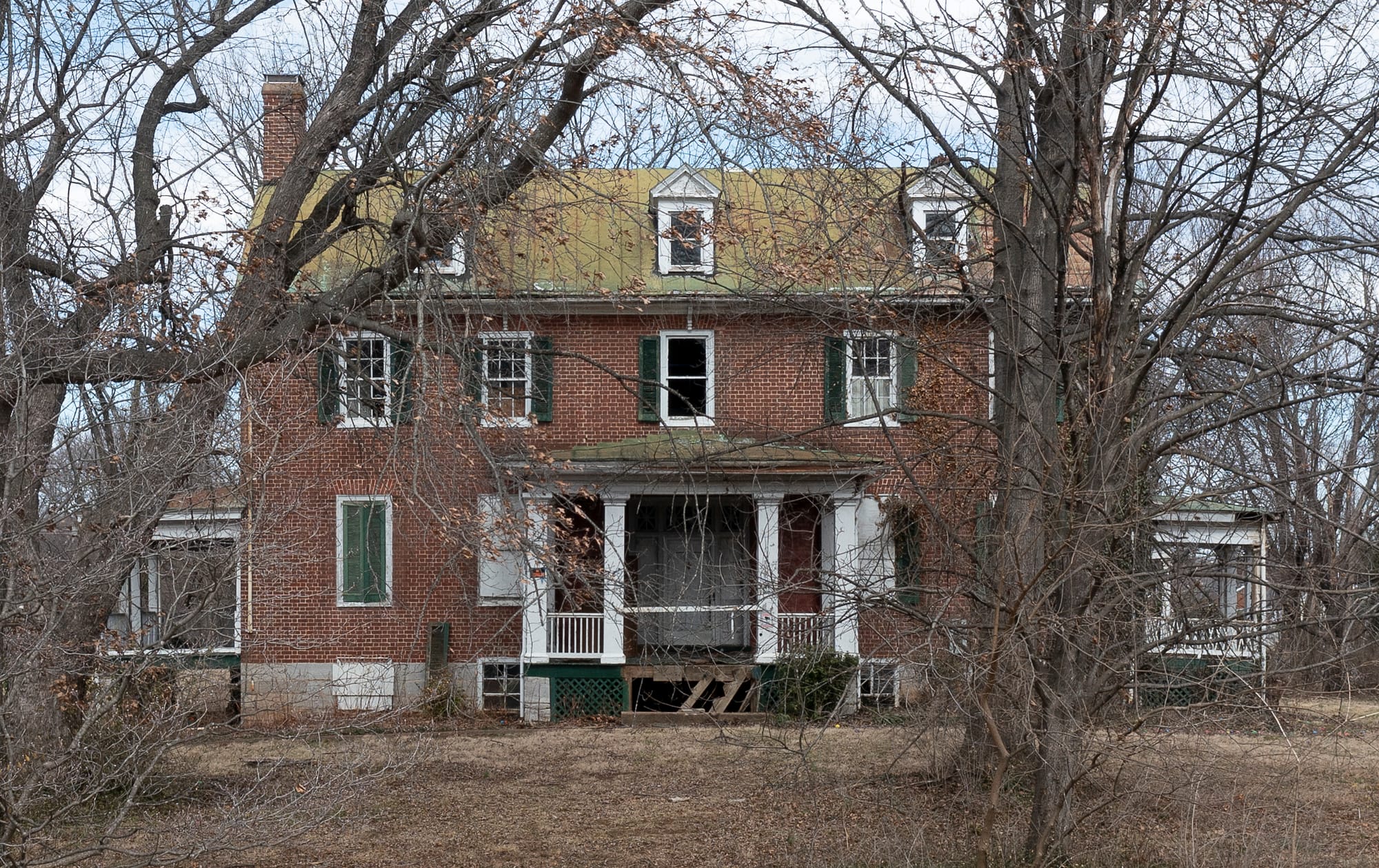
The house at 320 Huntington Blvd. NE stands at the center of what was a 500-acre plantation and was built about 1819, historians said in placing it on the Virginia Landmarks Register. It is also listed on the National Register of Historic Places. Both listings occurred in 1991.
In a Feb. 10 preliminary development application submitted to the city, Moore presented a plan for new homes across all 5.9 acres of the original plantation that remain. Most of the original plantation has already been turned into housing.
The historic listings don’t obligate the owner to keep the farmhouse, and preservationists have feared for its survival as well as the fate of other historic structures.
Michael Pulice, the senior architectural historian of the Virginia Department of Historic Resources, called Moore’s Huntingdon-removal idea “a terrible shame.”
The change of direction sounds “great,” Pulice said.
Representatives of the city planning, building and development department met with Moore Monday, said Emily Clark, a boards and commissions specialist with the city. Clark had no further comment and the city had not released any response as of Tuesday. But Moore was already going in a new direction, he said.
Representatives of the Roanoke Valley Preservation Foundation had expressed concern that, if built as presented, Moore's plan would eliminate a local landmark. Huntingdon is about as old as a cottage under renovation at Fishburn Park, dated about 1820 and pegged to become a coffee shop. They are the two oldest buildings standing in the city, historians said.
The original Moore plan proposed keeping only a cemetery with headstones of the family of the original builder, Elisha Betts. But the house with its limestone foundation, brick walls laid in the Flemish bond style and tin roof would be gone. A large set of trees would not have survived either, according to the plan.
Evie Slone, a former city director of planning, called Moore’s original plan a step in the wrong direction.
“This type of development plan that basically just bulldozes everything and gets the most intense development that you can for the sake of profit is not in the best interest of the community,” she said before learning of Moore’s change of plans.
The foundation has advocated for restoring the dwelling, which a 1991 historical survey called a “dignified example” of brick architecture characteristic of the westward expansion of the United States after the American Revolution. That time was called the Federal period.
With 4,867 square feet of space and an assessed value of $400,000, according to city records, the house lends itself to renovation and possibly division into apartments, architectural historian Alison Blanton said. State and federal tax credits could substantially defray costs. Examples of owners doing such projects dot the city, she added, citing projects by Restoration Housing, which is designed to transform blighted, historic properties into affordable rental homes.
The plan Moore first submitted depicted scores of homes measuring slightly more than 1,000 square feet apiece all across the site, reachable by a new street ending in a cul-de-sac. Neighborhood density would have increased. Many adjacent homes are about that size but sit on lots much larger than those in the proposed development.
Resident Marc Beneduci, who lives with his family across the street from Huntingdon, opposed it. He said by email that he was “beyond concerned at the disruption that this project would cause to my neighborhood of three years.”
Kelly Akers, a 30-year resident and contractor whose front door looks at Huntingdon, reacted favorably to the original Moore development proposal, saying “that’d be nice.” He said he plans to sell his home and move elsewhere because too many neighborhood residents don’t maintain their property. The neighborhood, he said, has gone “to pot.”
Broken-open windows, a cockeyed green shutter, rust and peeling green paint testify to the historic home’s deteriorated condition. Code enforcement officers swore out a complaint last summer accusing the owner of failing to keep up the property. The case was pending for a number of months but was dismissed last month when the court learned the property had changed hands.
Frank R. Erhartic Jr., a trustee for the former owner, transferred the property for zero dollars Jan. 7 via a quitclaim deed to a corporation of which he is a director, according to state corporate records and transaction paperwork. Moore said he is in the process of purchasing it.